A partnership agreement between Mercedes-Benz and battery maker ProLogium grants the Stuttgart-based carmaker first access to the company's latest Gen4 battery cells. The two firms will now conduct rigorous evaluation of this emerging technology, though deployment in consumer vehicles remains uncertain at this stage.
Mercedes-Benz will subject the cells to demanding electrical, thermal, and safety assessments at both company-owned laboratories and independent testing facilities. The evaluation programme aims to determine whether the technology meets the performance and reliability standards needed for automotive applications.
Bridging solid-state and conventional battery approaches
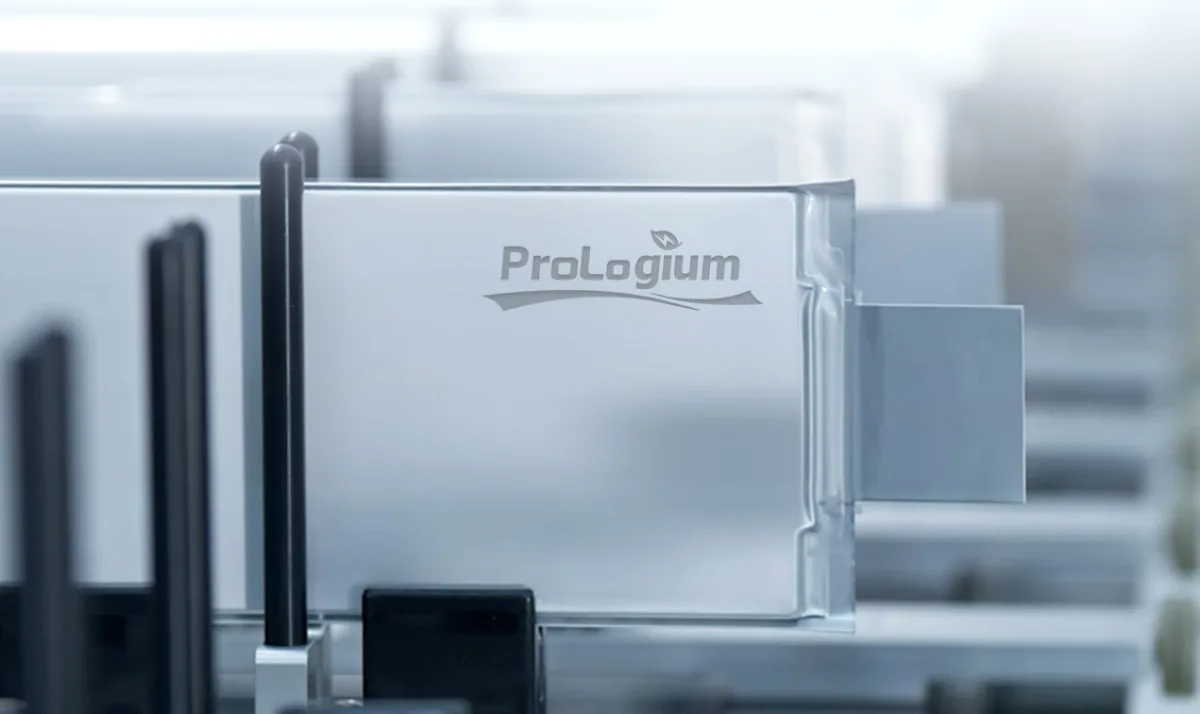
ProLogium markets its innovation as a "Superfluidized Inorganic Next-Generation Lithium Ceramic Battery." The Gen4 platform seeks to deliver a balance of energy density, rapid charging capability, and inherent safety while remaining compatible with existing manufacturing infrastructure.
The cell architecture incorporates a fire-resistant inorganic electrolyte material, ceramic separator components, and an integrated safety feature. The company highlights rapid-charge functionality, substantial power delivery, and reliable operation at reduced temperatures as key advantages.
A decade-long collaboration
Mercedes-Benz and ProLogium initiated their working relationship in 2016, spanning nearly a decade of joint research and experimental cell validation across multiple form factors. The German manufacturer holds an equity stake in ProLogium and maintains board-level representation at the Taiwanese firm.
ProLogium operates a manufacturing facility in Taoyuan, Taiwan, where the company has demonstrated production viability at gigawatt-hour scale. Current output from this site supplies prototype vehicles and research programmes. Simultaneously, ProLogium is constructing a new production plant in Dunkirk, France, with the initial phase targeting 4 GWh of yearly capacity. The company has announced ambitions to eventually expand this facility to 44 GWh annually.
Source: Battery-News