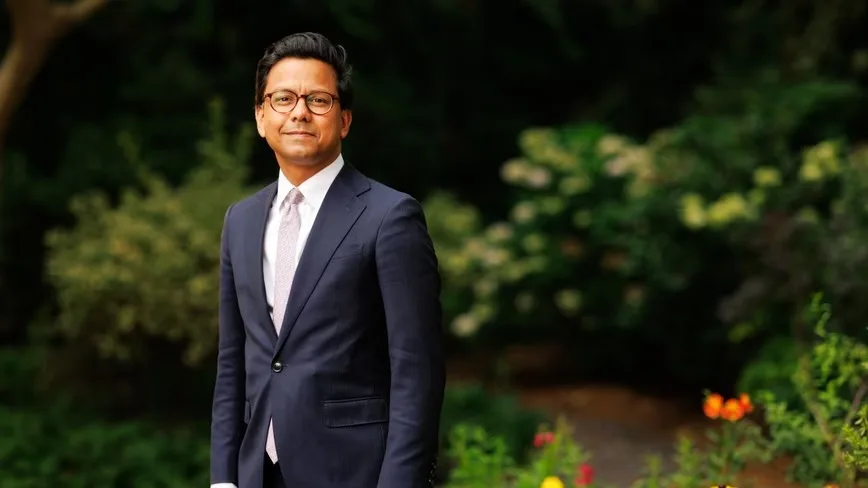
Speaking at Labour's annual conference, UK AI minister Kanishka Narayan told Fortune that nations need to strengthen their protective measures against AI-related dangers. His remarks came in response to questions about recent warnings from Jacob Coxon, a researcher who departed Anthropic this month.
Narayan emphasized that evaluation of AI systems, while valuable, represents an incomplete strategy for addressing emerging threats. "You have to harden and build your defenses. The risks have only grown, so testing is good but clearly insufficient," Narayan said.
Coxon shared his concerns via a post on X that garnered 175 million views, according to Fortune. "The people building AI earnestly believe that it could kill us all by the end of the decade," Coxon wrote. Evan Hubinger, a scientist at Anthropic, subsequently endorsed Coxon's position, placing the probability of such a scenario above 10 percent.
Narayan's Risk Assessment
When discussing his own priorities, Narayan focused on immediate threats rather than longer-term scenarios. He highlighted growing cybersecurity vulnerabilities and the potential for AI systems to amplify biochemical dangers. He also expressed concern about models that operate beyond their intended parameters.
"The sort of logical loops you have to jump through to make that an existential question are quite significant and severe," he said. Narayan noted that the UK has conducted AI model assessments for three years and claimed no other nation possesses comparable testing infrastructure.
International Coordination Efforts
Narayan outlined plans to leverage the UK's upcoming G20 presidency to advance international cooperation on AI governance. The government intends to shape the foundational principles that emerge from these discussions. Prime Minister Andy Burnham has previously indicated his intention to use this platform to negotiate a global AI accord.
However, the White House has signaled resistance to stringent international regulations, according to reports cited by Fortune. President Donald Trump has contended that constraining American AI development would provide China with competitive advantages. He has characterized advocates for development restrictions as detrimental forces.
Microsoft founder Bill Gates recently challenged industry self-governance on NBC's Meet the Press, arguing that government participation remains essential. During remarks to the Resolution Foundation think tank, Narayan also addressed employment implications, noting that the trajectory of AI's impact on work depends on decisions made collectively by governments, businesses and workers.
Source: The Next Web