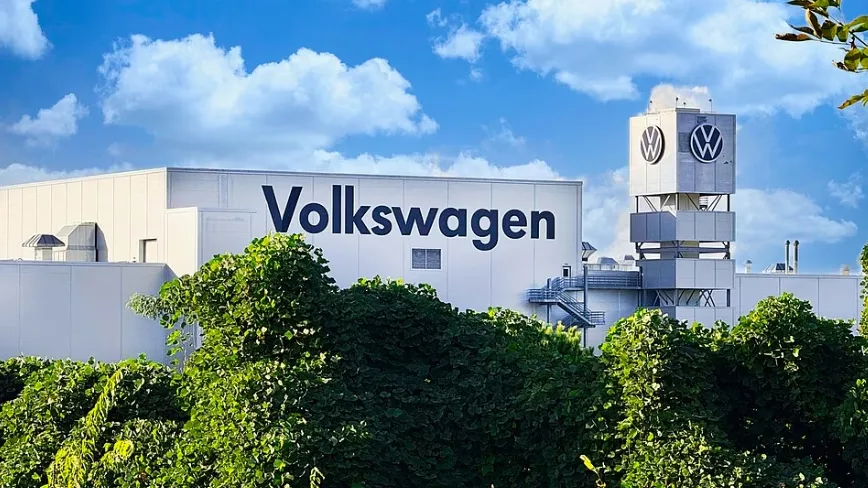
Volkswagen's German operations are undergoing a significant realignment as customer demand tilts decisively toward electric vehicles. The carmaker is cancelling planned extra shifts at its Wolfsburg facility while simultaneously adding production capacity at Emden and Zwickau—a reversal that comes just ten weeks after both plants were flagged as potential closure candidates.
In its home market and Europe's largest automotive sector, Volkswagen is fielding more purchase orders for electric models than for petrol and diesel variants combined. This unexpected surge is reshaping the company's manufacturing footprint across the continent.
Wolfsburg loses momentum
The Wolfsburg plant, which manufactures the Golf, Tiguan and Tayron, had been scheduled to receive additional shifts to push annual output from 580,000 vehicles to over 600,000 units. Those supplementary shifts have now been scrapped as interest in combustion-engine vehicles continues to decline.
Two plants gain ground
Emden, home to ID.7 assembly, is receiving at least two special shifts, while Zwickau, which produces the refreshed ID.3 Neo, is expanding its output. Both facilities had been mentioned in July among four German sites under consideration for potential shutdown, alongside Hanover and Audi's Neckarsulm plant. Volkswagen has not publicly confirmed any closure discussions.
Spain's electric dominance
The real winner in this demand shift is Spain. The ID Polo has accumulated more than 40,000 orders, while the Cupra Raval, Skoda Epiq and Volkswagen ID Cross have generated roughly 60,000 orders combined. These four models comprise the Electric Urban Car Family and are all manufactured in Spain rather than Germany.
Volkswagen has invested heavily in Spanish capacity to support this expansion. The company deployed more than EUR 3 billion to transform the Martorell plant and approximately EUR 10 billion to electrify its broader Spanish operations. The four-model lineup shares a common platform, a decision that Volkswagen credits with saving EUR 600 million and reducing manufacturing complexity. The ID Polo is projected to carry a starting price around EUR 25,000.
Regulatory sizing and market positioning
The ID Polo's dimensions—4.05 metres in length—position it strategically below the 4.2 metre threshold that the European Commission has proposed for a small-car category. Vehicles meeting this criterion would receive preferential treatment in fleet carbon calculations if manufactured within the EU. Audi's own A2 e-tron, produced in Ingolstadt, exceeds this limit by 12 centimetres.
The profitability challenge
The shift toward electric vehicles presents a financial headwind for Volkswagen. The company generates lower profit margins on battery-powered cars compared to equivalent combustion models, making this unexpected demand surge particularly complex during an ongoing restructuring effort. Reports have suggested potential job cuts reaching 100,000, though the company has not officially confirmed this figure. The timing is particularly delicate, as the two plants now gaining shifts were among the four facilities being evaluated for closure just weeks earlier.
Source: The Next Web