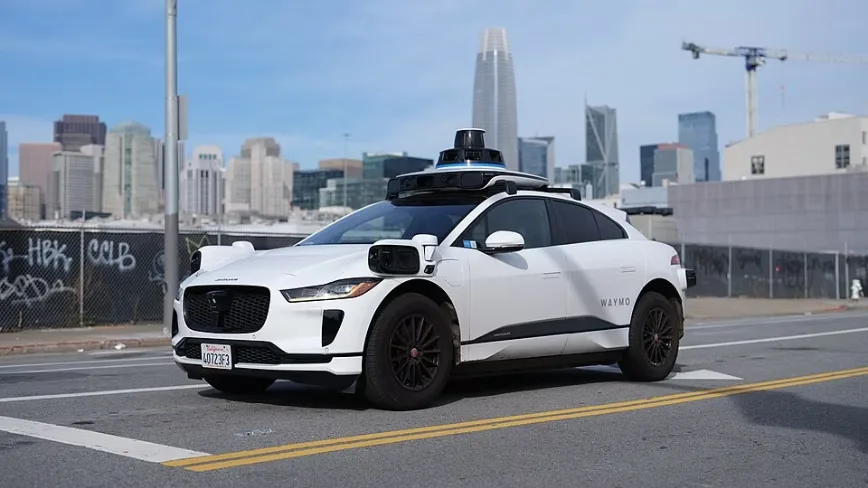
Autonomous vehicle operators are experimenting with ways to blend robotaxis into existing transit networks, though their strategies diverge sharply depending on local partnerships and regulatory structures. In the San Francisco Bay Area, Waymo is offering riders $2.85 in credit when they combine a robotaxi journey with public transport within a two-hour window, contingent on payment via Visa card. The programme launches with company employees before rolling out to the general public in coming weeks.
To participate, riders must link a Visa card through the Waymo app. The incentive applies across 27 Bay Area transit agencies that support contactless tap payments. Notably, Mastercard operates its own separate transit benefit scheme. According to Waymo, more than half of its current riders in San Francisco, Los Angeles and Phoenix already incorporate public transport into their journeys.
Waymo has also secured 40 dedicated parking spaces at Caltrain stations to position vehicles for arriving passengers, with hopes of extending similar arrangements to other transit agencies. Both California's transport secretary and San Jose's mayor have endorsed the initiative. The $2.85 credit amount matches the standard San Francisco bus fare.
Hamburg's Transit-Led Model
Hamburg's approach inverts the relationship between robotaxis and public transport. Hamburger Hochbahn, the city's own transit operator, directs the autonomous shuttle programme, deploying Volkswagen's MOIA-operated ID Buzz vans. The federal transport ministry has committed EUR 26M in funding over three years. The current fleet comprises 20 vehicles operating across approximately 37 square kilometres.
Passengers book these shuttles through hvv switch, the transit authority's proprietary app, alongside MOIA's own booking platform. Unlike Waymo's credit scheme, Hamburg offers no separate financial incentive because the integration itself constitutes the product. The service area encompasses roughly 320,000 residents.
Waymo's German Expansion and Other Models
Waymo commenced mapping Munich in August, targeting commercial operations by late 2027 under Germany's 2021 regulatory framework. Bavarian officials have pledged to streamline regulatory processes. However, Waymo has not yet announced any public transport partnership for the Munich market.
London presents yet another configuration. Uber and Wayve jointly launched the city's first robotaxi service with safety drivers aboard, bookable exclusively through Uber rather than Transport for London. This arrangement underscores a fundamental question: whoever controls the booking app effectively controls passenger access. In Hamburg, that authority rests with the transit operator. Waymo has not disclosed which model it intends to adopt when entering Munich.
Source: The Next Web