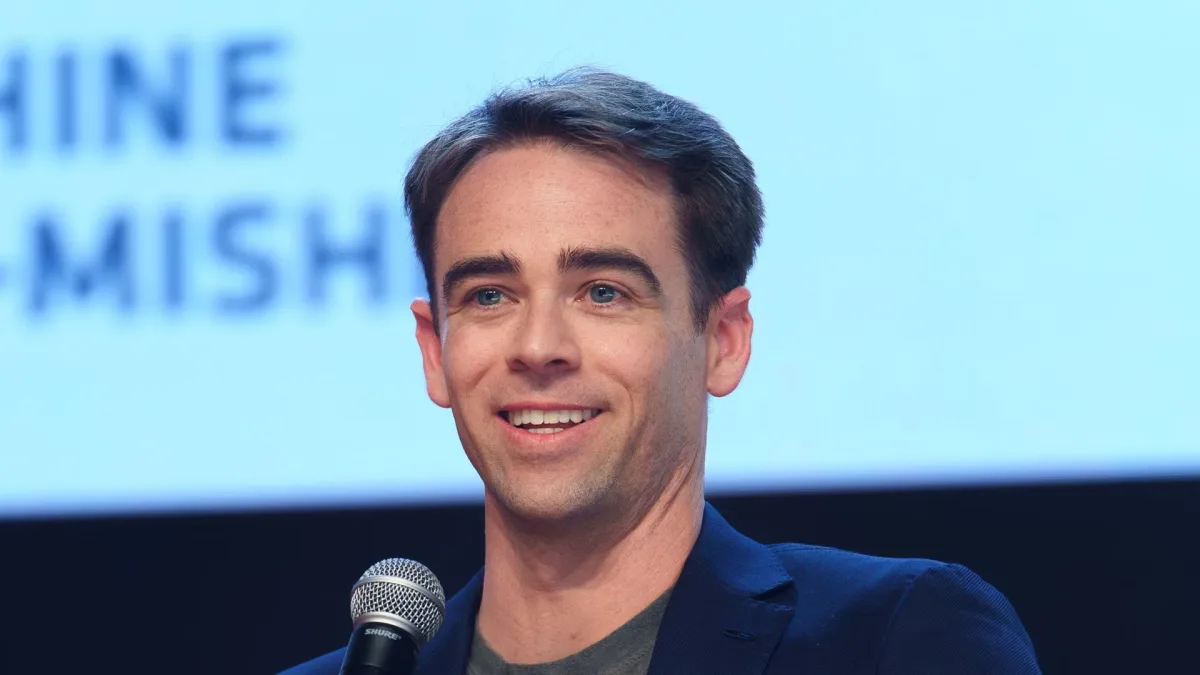
The person who helped bring down Theranos is now sounding alarms about how readily artificial intelligence can be misrepresented to investors and the public. Speaking on The San Francisco Standard's PST podcast with Theo Baker, Tyler Shultz argued that the rush of capital into AI labs creates conditions remarkably similar to those that enabled Elizabeth Holmes's blood-testing deception. His warnings come as renewed attention focuses on Holmes following the release of "You Can See Everything," a film by Nathan Fielder and Lance Oppenheim documenting her final weeks before incarceration.
The simplicity of deception
When asked whether the current investment frenzy in AI mirrors the conditions that allowed Theranos to flourish, Shultz pointed to how easily companies can misrepresent their technological achievements. Distinguishing between genuinely innovative breakthroughs and superficial modifications of existing systems has become nearly impossible for outsiders, he suggested.
It's really hard to tell the difference between what is like something truly unique and new versus like a ChatGPT wrapper
Tyler Shultz
Those seeking to mislead investors face minimal obstacles in the current environment, Shultz contended. He called for a fundamental shift in how venture capital operates, arguing that the informal approach of quick meetings followed by substantial checks must end.
I think the days of having a 30-minute coffee with someone and sending them $100,000 should be over
Tyler Shultz
Holmes herself deployed this playbook with devastating effectiveness, scaling what Shultz described as the largest angel investment round ever into a $100 million operation. While the investors who funded Theranos might appear as victims, Shultz suggested they bore responsibility as well. Their failure to conduct rigorous scrutiny gave Holmes access to resources and credibility she should never have possessed.
Silencing dissent through legal agreements
Beyond the ease of fabricating capabilities, Shultz raised concerns about mechanisms that prevent workers inside AI organizations from speaking out about safety issues. His comments arrive as twenty House Democrats recently contacted OpenAI regarding researchers the company terminated, with reports indicating the company monitored their encrypted communications. This month, former employees from AI labs provided testimony at a New York City hearing focused on artificial intelligence governance.
The NDAs and the non-disparagement agreements that many of these tech workers have signed are so incredibly overbearing and I would say likely illegal even
Tyler Shultz
During his time at Theranos, Shultz signed multiple restrictive agreements that left him uncertain whether communicating with attorneys or government officials was permissible. To contact regulatory bodies, he resorted to using an assumed name and fabricated email account. Workers in AI labs deserve clarity that they retain the legal right to approach regulators and seek counsel, he emphasized. He noted that many attorneys handle whistleblower matters without requiring upfront payment and said he is working to increase awareness of these legal protections.
Holmes and the Theranos legacy
Shultz served as a scientist at Theranos and escalated his concerns through internal channels and to a regulatory agency before collaborating with a Wall Street Journal journalist to expose the fraud. Holmes and Ramesh "Sunny" Balwani received prison sentences exceeding eleven and thirteen years respectively, roughly three years ago.
Regarding the new film about Holmes, Shultz praised it as artistically accomplished while noting it functions more as a narrative exploration than factual documentation, prioritizing ambiguity over definitive truth. He also suggested Holmes may be preparing a new venture. According to Fortune, Haemanthus, a blood-testing startup led by her partner Billy Evans, has stated that Holmes holds no official position in the organization.
Source: The Next Web