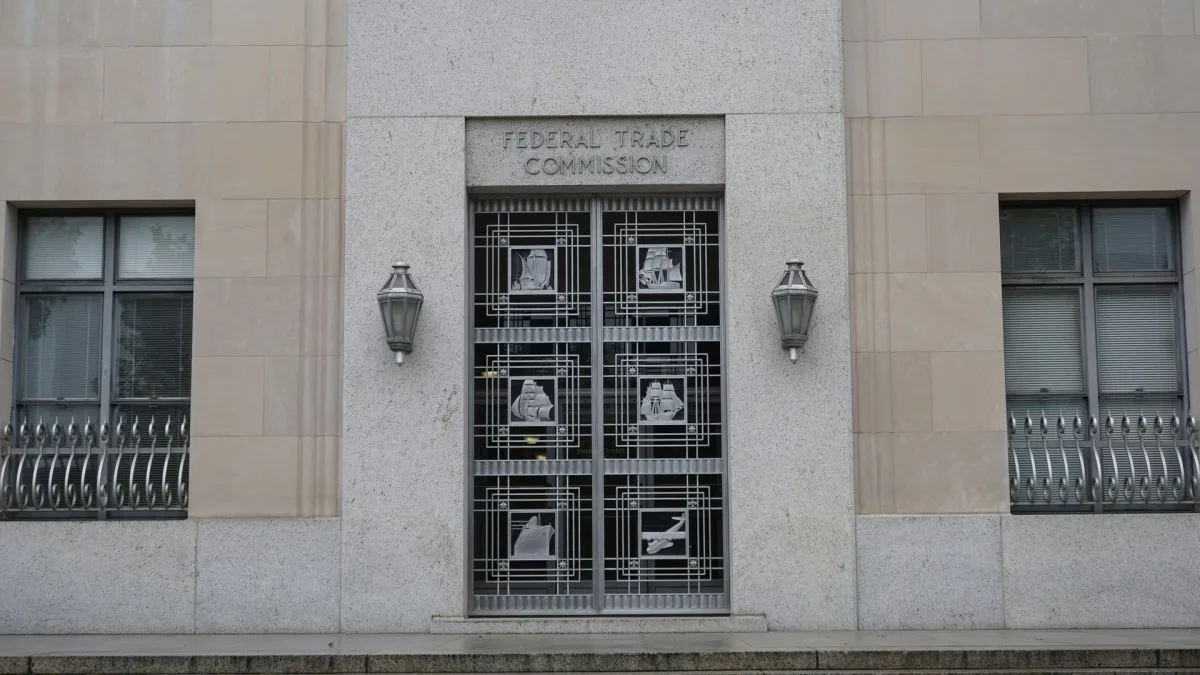
A legal challenge brought by the US Federal Trade Commission and eight states targets Toast, a provider of restaurant management software and payment processing services. The lawsuit alleges that the company has engaged in deceptive practices including concealed fees, forced add-ons and deliberately complex cancellation procedures designed to lock customers in. Toast has stated it intends to defend itself in court.
The FTC made the lawsuit public on Thursday through a press release and filed a 71-page complaint in federal court in Northern California. Toast responded the same day with a statement. The case remains pending, with no judicial ruling yet issued on the allegations.
Toast failed to honor a number of its promises and instead imposed hidden fees, unauthorized charges and subscription traps that drained the hard‑earned profits of businesses just trying to serve their customers
Christopher Mufarrige, director of the FTC's Bureau of Consumer Protection
Colorado, Florida, Illinois, Iowa, Nebraska, Oklahoma and Utah are joining the action. California is represented through the Los Angeles County Counsel and the San Francisco City Attorney. The FTC commissioners voted unanimously to proceed. This marks part of a broader enforcement push by the agency, which has also frozen subscription operations built around shell companies and initiated legal action against Amazon regarding its advertising marketplace. An investigation into Shein's application design is also underway.
Toast's response
Toast has rejected the allegations, stating it "strongly" disagrees with the claims. The company contends that the FTC is misapplying the Restore Online Shoppers' Confidence Act (ROSCA), legislation designed to regulate online subscription services. According to Toast, this law was not intended to govern contracts negotiated between businesses.
No court has held that ROSCA applies to negotiated business-to-business agreements, and we don't believe it applies here
Toast
Toast indicated it has been working with the FTC since mid-2025 and made settlement overtures before the lawsuit was filed. The company maintains that the FTC overlooked evidence demonstrating the extent to which its restaurant clients actively negotiate contract terms. Toast stated that its customer service, pricing structure and support offerings will remain unchanged.
The pricing model and associated charges
According to the FTC complaint, restaurants typically commit to auto-renewing subscriptions averaging approximately $900 monthly. Toast promotes a "Pay-as-you-Go" offering that bundles hardware and software marketed as "$0", with the actual cost recovered through elevated payment processing fees. The complaint asserts that none of Toast's hardware offerings genuinely cost zero dollars.
The complaint indicates that restaurants must begin processing transactions within 120 days. Failure to do so requires either returning the equipment or paying its full retail cost. Restaurants that temporarily suspend operations continue to incur an $85 monthly charge for payment processing capabilities. Those who terminate agreements ahead of schedule face an undisclosed early cancellation penalty of $150 per remaining contract month.
One customer was assessed a $5,318.87 termination fee after cancelling following four years of service, according to the FTC. Toast declined to provide a refund.
The complaint also addresses charges imposed on diners themselves. Between September 2021 and late July 2023, Toast applied a $0.99 surcharge to online food orders exceeding $10, the FTC alleges. Neither the restaurants nor the diners received adequate notification or consent regarding this charge, and the fees were retained by Toast rather than passed to the restaurant operator.
Cancellation and customer support issues
Ending a subscription requires customers to submit 30 days of written notice stating their "intent not to renew"—a requirement the FTC contends is not adequately communicated at the time of signup. Some customers received no response to cancellation requests and continued to be charged, according to the complaint. Others report being redirected to sales representatives attempting to persuade them to maintain their subscriptions.
Restaurants that have taken out Toast Capital loans face additional obstacles. Should they cancel or switch to a different provider, Toast treats the action as a loan default and demands immediate repayment of the entire outstanding balance, the complaint states.
Every Toast subscription package includes a promise of "24/7/365 support". The FTC reports that customers frequently encounter difficulties reaching assistance. In one documented instance, a restaurant owner phoned on a Saturday only to learn that the relevant support team did not operate on weekends. The complaint indicates that tens of thousands of consumers have filed complaints.
Requested remedies
The lawsuit seeks a permanent court order preventing future violations, compensation for affected customers, and financial penalties under applicable state laws. The complaint contains 21 separate counts citing violations of the FTC Act, ROSCA and various state consumer protection statutes.
Toast generated $6.153 billion in revenue during 2025, with approximately 82% derived from payments and lending operations, according to the complaint. The company serves 156,000 restaurant locations according to the complaint, though Toast's own statement places this figure at nearly 200,000.
Source: The Next Web