Microsoft has initiated a "Code Red" emergency protocol to overhaul its approach to preventing and managing major service disruptions, according to internal communications reviewed by Reuters on Tuesday. The declaration comes in response to a severe outage spanning 12 to 13 November that disabled Exchange Online, Outlook, Teams and Copilot for approximately 24 hours.
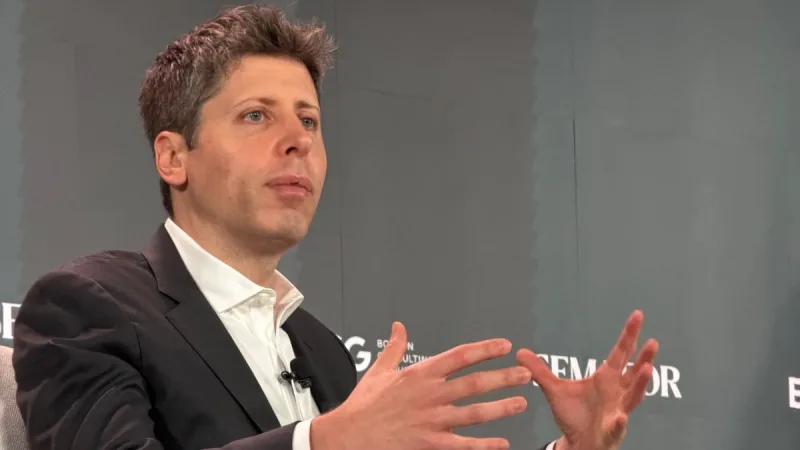
Jason Henderson, president of M365 Core, characterized the incident as the most damaging event in Exchange Online's history. In a memo to staff on Friday, he noted that customers had never experienced such an extended email blackout. The disruption affected government agencies across Australia, Japan and the United States, while also impacting financial trading operations and airline systems.
Code Red means that this is the highest priority work for our team
Jason Henderson
Communication Breakdown During Crisis
Amanda Silver, corporate vice-president overseeing M365 Core and Work IQ, detailed the response effort in a memo released on Monday. She described the incident response as occurring within a "fog of war". The engineering team exchanged more than 11,000 messages across 11 Teams chats during the outage.
A significant challenge emerged from the fragmentation of diagnostic information. Critical data remained scattered across multiple separate internal systems, preventing responders from maintaining a unified understanding of their theories and decisions, according to Silver's account.
Charles Lamanna, Microsoft's executive vice-president for Copilot, Agents and Platform, informed the Code Red review that the failed component had experienced "roughly ten years' worth of acceptable failures", as noted in Silver's memo.
Microsoft has attributed the outage to a dormant defect introduced in July within Windows—a scalability issue that remained undetected for months. Chief executive Satya Nadella issued a public apology. The company has stated that neither cyber activity nor AI agents contributed to the failure.
New Resolution Targets and Oversight Structure
Silver outlined five operational workstreams as part of the Code Red initiative, addressing load shedding, geographic traffic distribution, and accelerated recovery procedures. Microsoft has established a target of resolving all future global incidents within one hour. The company also intends to deploy AI agents to enable engineers to process system health information more rapidly.
Henderson will convene daily meetings with the Substrate leadership team, which oversees the technical infrastructure supporting Microsoft 365's core services, along with weekly review sessions. A Microsoft representative confirmed to Reuters that teams are operating continuously to implement insights gained from the incident.
Earlier this month, Henderson flagged delays in deploying urgent patches to M365 Core services globally. In a recent instance, a critical fix required five to six days to reach all users. For the most severe security vulnerabilities, he has set a one-hour window from detection through safe global deployment. Microsoft currently falls short of this benchmark, he acknowledged.
Nadella remarked last week that bugs discovered by AI systems could increase the frequency of outages. Henderson also indicated that he had examined the organizational and structural factors that contributed to the failure.
Unfortunately, all the work we have done over the years was not sufficient to protect us on Thursday
Jason Henderson
Source: The Next Web