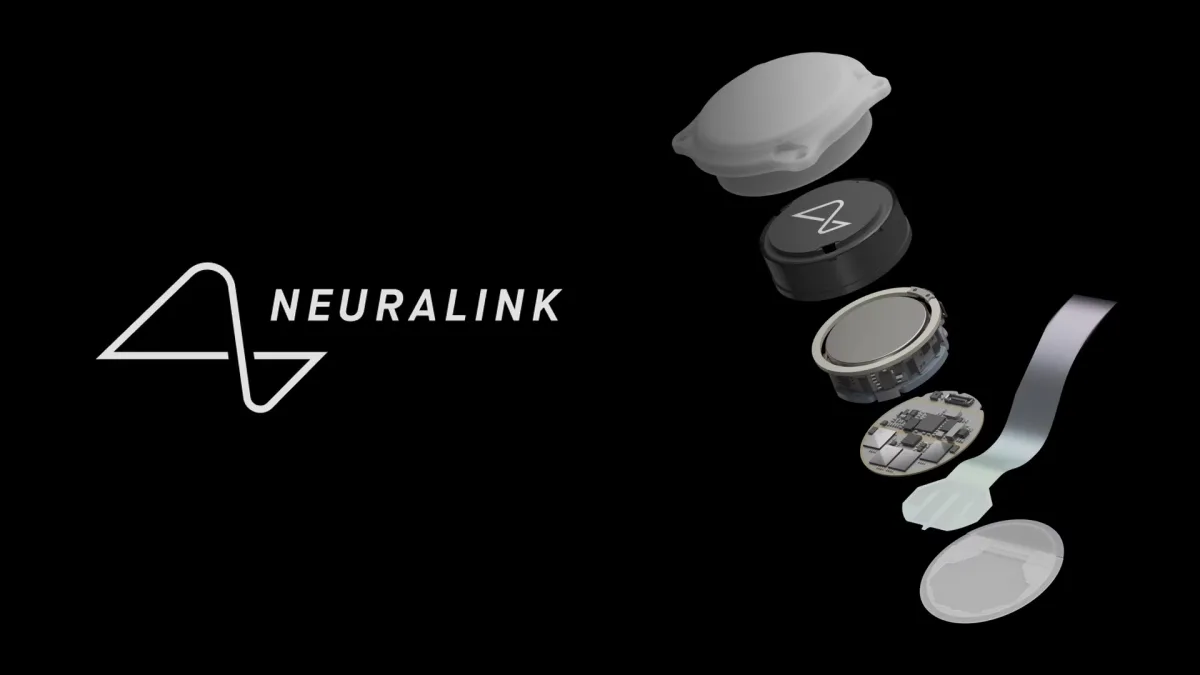
Neuralink announced Wednesday that it has secured US Food and Drug Administration clearance to launch a pivotal trial examining its brain-computer interface technology in patients with ALS. The company describes the LINK Pivotal Study as the first late-stage trial of an implantable brain-computer interface to reach this stage in the United States.
A pivotal trial represents the final phase of testing that typically precedes a company's request for regulatory approval to market a medical device. This authorisation permits Neuralink to conduct the study, though it does not yet permit broader clinical use of the implant outside the trial setting.
The trial will evaluate whether individuals experiencing severe paralysis from ALS can operate digital systems through thought alone, with emphasis on enhancing their capacity for independent functioning. The study will simultaneously monitor the implant's durability and safety profile across multiple clinical locations over time, Neuralink stated.
Foundation built on prior experience
https://x.com/neuralink/status/2125694580544680185?ref_src=twsrc%5Etfw
This pivotal trial builds upon Neuralink's earlier feasibility work conducted across the US, Canada, and the UK. To date, more than 30 trial participants have received implants and collectively logged thousands of hours of use, the company reported.
The current study is recruiting adults with ALS in the United States, according to Digital Trends. Neuralink's preceding studies also included individuals with spinal cord injuries or brainstem strokes. Each participant undergoes implantation via Neuralink's R1 surgical robot, followed by approximately 24 months of clinical follow-up appointments, including remote sessions. The company has not disclosed its target enrolment numbers.
Among companies in this space, Neuralink has accumulated the most funding. The firm closed a $650 million financing round in the previous year at a $9 billion valuation, according to Bloomberg's reporting.
Challenges and emerging competition
The path to this milestone has not been without obstacles. Neuralink's initial trial participant experienced significant technical complications with his implant during 2024, as reported by The New York Times, though he stated he harboured no regrets about the procedure. Additionally, the company faced a federal investigation in 2022 concerning its animal testing practices, Reuters reported.
The competitive landscape is intensifying both domestically and internationally. Paradromics implanted its device in its first patient in June. That same month, China approved a commercial brain-computer interface implant, with its first patient receiving the procedure in July.
Chinese authorities are now pursuing a strategy to overtake the US in this domain by establishing technical standards for brain-computer interfaces and expanding their practical applications, the South China Morning Post reported Thursday.
Source: The Next Web