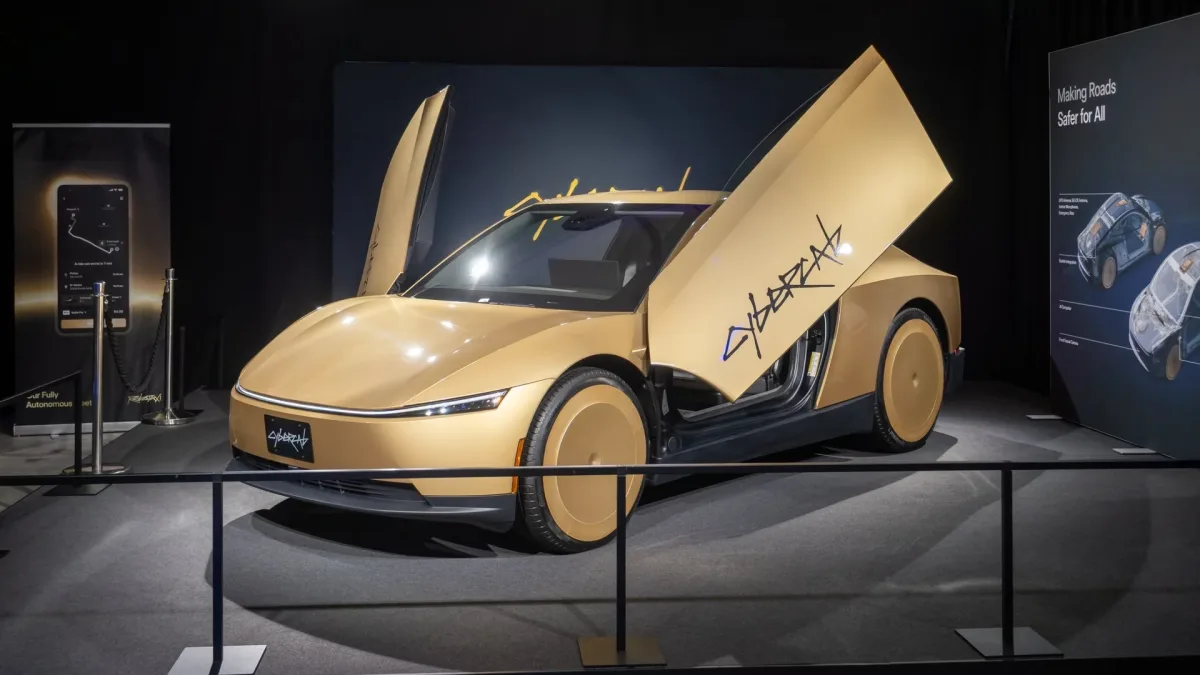
Tesla's autonomous two-seat Cybercab, which features neither a steering wheel nor pedals, has commenced passenger service in Dallas, becoming the second metropolitan area to receive the vehicle after Austin launched operations in September. The company announced the expansion through its Robotaxi account on X, stating "Cybercab has arrived in your city."
Passengers in Dallas can now book rides using the Tesla Robotaxi app, joining the existing fleet of driverless Model Y vehicles already operating in the city. Tesla has concentrated its robotaxi operations primarily across Texas and Florida, where regulatory frameworks are comparatively permissive relative to states such as California. Beyond Dallas and Austin, the company operates autonomous vehicles in Houston, Fort Worth, San Antonio, Tampa, Orlando, and Miami, predominantly deploying the Model Y platform.
The expansion occurs amid regulatory scrutiny from the US National Highway Traffic Safety Administration (NHTSA). The agency is investigating Tesla's certification process for a vehicle lacking conventional driving controls and whether it satisfies federal safety standards. Notably, Tesla did not pursue an exemption from standard safety requirements, unlike competitor Amazon's Zoox. Additionally, NHTSA is examining allegations that Tesla's robotaxis, including Cybercabs, have exceeded speed limits in school zones.
Tesla has commenced sales of the Cybercab to select customers at a price of $29,990. Purchasers are required to maintain a $299 monthly subscription fee; without this payment, the vehicle will not operate. Initial deliveries to customers in Texas are scheduled for December. To accommodate increased Cybercab production, Tesla intends to reduce Cybertruck manufacturing at its Texas facility beginning around mid-2027.
Source: The Next Web