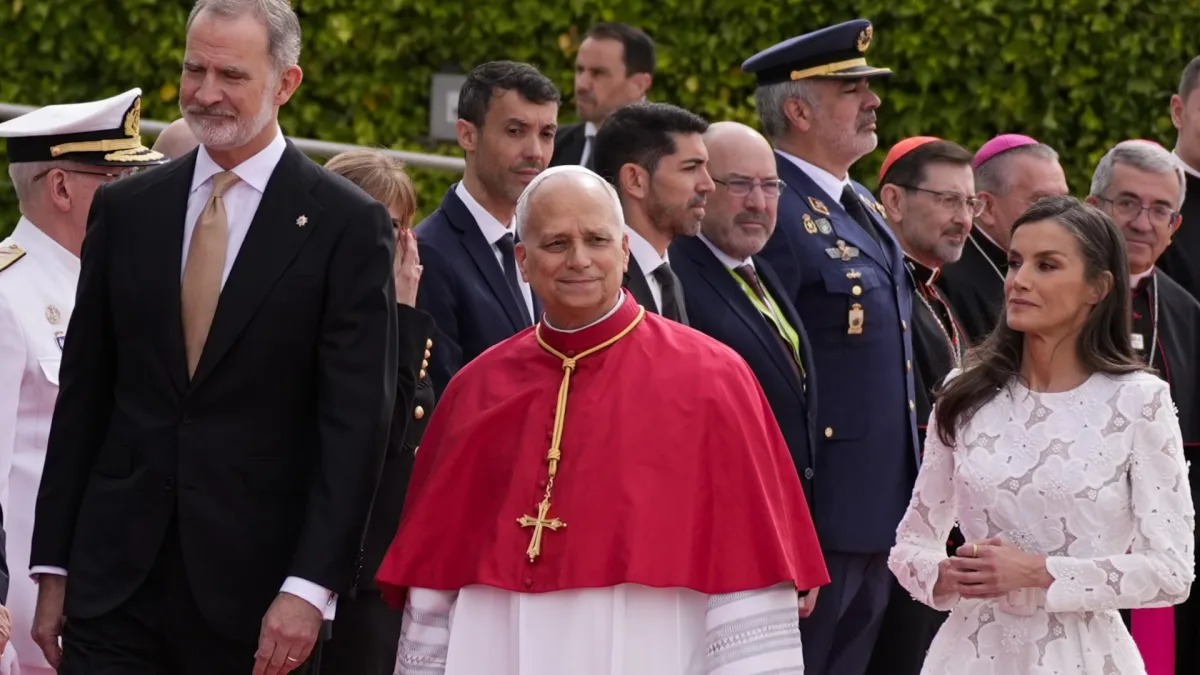
During a Vatican gathering focused on artificial intelligence, Pope Leo XIV made a forceful case on Friday for what he termed the need to "disarm" AI. The pontiff stressed that oversight of decisions touching human life, personal freedoms and the deployment of force cannot be delegated to machines. His remarks, delivered in the Consistory Hall of the Apostolic Palace, were directed at delegates preparing for talks scheduled in Geneva this November. The event brought together participants from the Pontifical Academy for Life and the Future of Life Institute.
Machines are tools, not persons
The pope articulated five foundational principles regarding AI's trajectory. His opening argument centered on human agency: the path forward for artificial intelligence hinges fundamentally on the decisions that people choose to make. Individuals bear responsibility for steering, modifying and, where appropriate, refusing certain applications of the technology.
The decisive question, then, is not simply 'What can AI do?' but rather, 'What purpose should it serve?'
Pope Leo XIV
He cautioned against framing technological advancement as a competitive race, warning that such a mindset risks abandoning those unable to keep pace. A system that functions reliably and genuinely benefits people, he suggested, outweighs one that operates at maximum capacity but produces unpredictable or uncontrollable outcomes.
The second principle addressed the nature of artificial intelligence itself. The pope rejected the notion that AI systems warrant rights or legal standing as entities.
Such an approach risks obscuring human responsibility and leaving those who suffer harm to confront a faceless entity
Pope Leo XIV
His third point tackled the boundaries of automation: certain categories of decisions must never be transferred to machines. He illustrated this with two concrete examples—compilation of targeting lists and operation of border management systems. In either scenario, individuals risk being reduced to abstract data entries rather than recognized as human beings. This principle underpins his broader argument for constraining autonomous weapons.
Institutions, not more principles
The fourth principle emphasized that artificial intelligence development must prioritize collective welfare over the advancement of narrow interests. The fifth and most pressing principle, in the pope's assessment, concerns institutional frameworks. While ethical guidelines governing AI already exist in abundance, he contended, what remains absent is the machinery to enforce them at a global scale.
This calls for shared standards, independent oversight and clear mechanisms of accountability
Pope Leo XIV
The diplomatic setting for these remarks carries particular significance. Nations are currently negotiating the regulation of lethal autonomous weapons through the UN Convention on Certain Conventional Weapons. The Seventh Review Conference of this body convenes in Geneva between 16 and 20 November, as documented by Reaching Critical Will.
A position the pope keeps returning to
The pontiff referenced earlier statements from Pope Francis, who told the G7 in 2024 that machines must never be permitted to make autonomous decisions about taking human lives. Each of the five principles outlined on Friday draws from Magnifica Humanitas, the papal encyclical on artificial intelligence that Leo released in May.
This stance reflects a consistent thread in the pope's public commentary. During May, he characterized AI-enabled warfare as a self-perpetuating cycle of destruction. In September, he rejected claims that concerns about AI safety constitute misinformation. However, perspectives within the technology sector diverge sharply from the Vatican's position. Arthur Mensch, who leads Mistral, has publicly disagreed with the pope's framing of AI's role in military applications.
Source: The Next Web