Volkswagen reported a €5.8bn after-tax loss in the third quarter, marking the group's most severe quarterly setback in nearly a decade. A €6.4bn impairment charge on its Porsche luxury brand formed the core of the loss, but deteriorating conditions across multiple markets compounded the damage. Chinese vehicle deliveries plummeted 38.5%, while tariffs on US imports and narrowing profit margins on electric vehicles further strained results. The prior-year quarter had produced a €1.1bn loss by comparison.
The nine-month results, released Thursday, revealed the scale of the challenge facing Europe's largest automaker. Revenue contracted 6.3% to €75.3bn, while the operating loss reached €5.9bn. Vehicle deliveries fell 14.3% to 1.89 million units. One-time charges totalled €7.8bn during the period.
The nine-month results make one thing clear: We cannot afford to lose any time and must act quickly and decisively
Arno Antlitz, chief financial officer
Porsche and tariffs
The Porsche charge represents a non-cash goodwill impairment reflecting a downward revaluation of the luxury marque on Volkswagen's balance sheet. The brand reassessed its long-term outlook and reduced volume expectations accordingly. According to the group's interim filing, this reassessment lowered Porsche's recorded value. Volkswagen had flagged the impending charge in September, when it simultaneously slashed its 2026 margin guidance to as much as 1%, down from the prior forecast of 4% to 5.5%.
American import tariffs eroded operating performance by approximately €2.1bn during the first nine months, consistent with the prior-year period. Simultaneously, the electric vehicle portfolio became a drag on profitability despite strong customer demand.
The market success of our electric vehicles is putting additional pressure on our earnings, as we currently earn less from electric vehicles than from combustion-engine vehicles
Arno Antlitz
Electric models now represent 40% of the group's order book, according to Antlitz.
China is shrinking
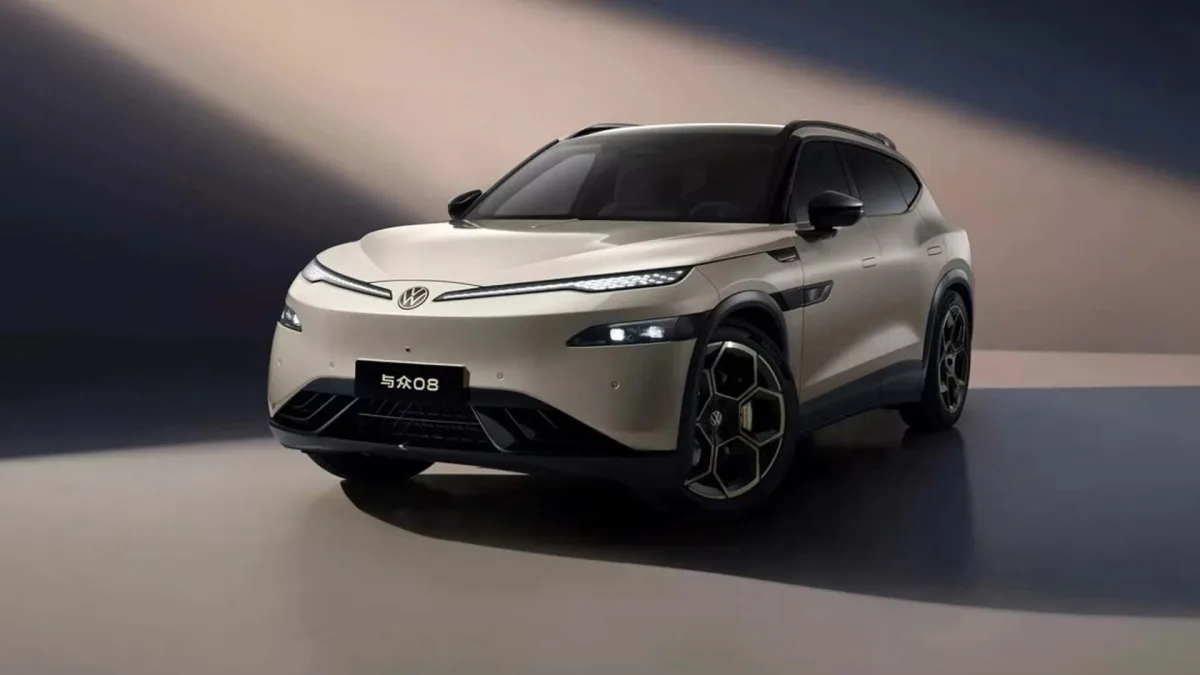
China, historically Volkswagen's most profitable market, has become a source of mounting concern. Third-quarter deliveries in the country fell 38.5% to 405,800 vehicles as homegrown competitors intensified pricing pressure. The company is now incorporating technology developed by Chinese manufacturers into its upcoming model lineup.
China is no longer a growth machine
Ralf Brandstätter, Volkswagen's China chief
Volkswagen's China operations may stabilise at roughly 2.2 million annual vehicle sales by 2030, according to reporting by Handelsblatt. This projection represents a substantial retreat from the company's previous target of 3.2 million units. At its historical peak, the group was delivering more than four million vehicles annually in the Chinese market.
What comes next
The automaker maintained its 2026 guidance despite the turbulent quarter. Management expects revenue around €315bn and an operating margin reaching up to 1%. Antlitz highlighted a cost-reduction initiative valued at approximately €31bn, centred on reducing model variety, streamlining organisational structures and optimising manufacturing capacity.
The restructuring programme could eliminate as many as 100,000 positions and result in the closure of four German manufacturing facilities, according to reporting by The Associated Press. Volkswagen had publicly committed to the 100,000 job reductions in September. Porsche is independently implementing its own significant workforce reductions, and the group disclosed this month that US electric vehicle sales declined 90% in a single quarter.
The loss reported by VW today is a warning sign for the entire sector and industry, and should also serve as one for policymakers
Moritz Kronenberger, Union Investment
Source: The Next Web