Databricks is exploring a fresh capital raise valued at approximately $225bn, according to reporting by The Wall Street Journal's Meghan Bobrowsky and Kate Clark on Friday, drawing on conversations with individuals privy to the negotiations. This represents a substantial jump from the $190bn valuation the data platform achieved during its August funding round. The discussions remain fluid, and specifics could shift before any deal closes.
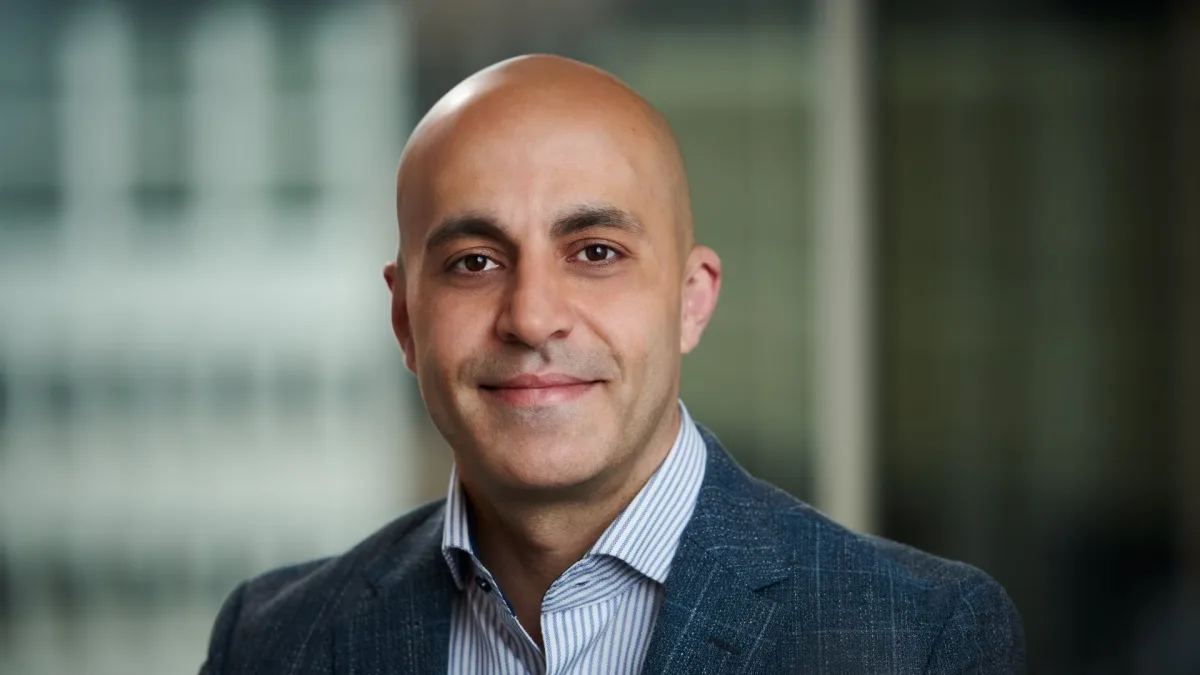
Chief executive Ali Ghodsi has made clear that an initial public offering lies in Databricks' future, but timing remains uncertain. Speaking on the All-In podcast, he explained the reasoning behind the company's decision to remain private for now: "We will go public. We are going to be public, but right now I think during this transition period of AI there's just too much up and down, and I think it's distracting to companies."
Growth trajectory and new capabilities
Databricks closed its previous funding round in August at $190bn, at which point the company had already achieved a $7bn revenue run rate. Ghodsi indicated during his podcast appearance that annual growth currently sits between 70% and 80%, though he has ambitions for substantially higher expansion. He expressed a desire to reach growth rates of 100% or "way over 100%."
Throughout the year, Databricks has expanded its product suite with artificial intelligence-focused offerings. The company introduced Genie One, an agent designed to respond to queries drawn from enterprise business data. It also launched Unity Gateway, enabling customers to tap into models developed by OpenAI, Anthropic and Google. Recently, Genie became available through Slack, allowing users to pose data-related questions directly within the messaging platform.
The company's investor roster includes Coatue Management, Andreessen Horowitz, NEA, Insight Partners, Fidelity and J.P. Morgan Asset Management.
Public versus private: weighing the tradeoffs
Industry observers view Databricks as a potential candidate for listing in the near term. According to the Journal, some investors believe that a strong market reception to Anthropic's recent debut—where the company's stock finished its opening week valued at $1.6tn—could trigger a broader wave of AI-related public offerings.
Ghodsi acknowledged the advantages and disadvantages of each path during his All-In discussion. Going public provides access to capital markets and creates an annual marketing opportunity through quarterly results. However, remaining private requires the company to organize its own tender offers for employees on an annual basis. Ghodsi noted that staff have never exhausted the funds allocated for these transactions.
The primary concern driving the delay, according to Ghodsi, centers on market volatility. When stock prices decline, he explained, employees experience what amounts to a pay reduction, and some depart before valuations recover. This dynamic makes the current AI landscape—characterized by significant price swings—an unattractive moment for a public debut.
During the same conversation, Ghodsi offered perspectives on broader artificial intelligence questions. He stated his belief that AI has already achieved artificial general intelligence according to the definition employed by his Berkeley laboratory around 2010. Regarding existential risks, he assessed the probability of AI causing human extinction as close to zero, instead identifying cybersecurity as the genuine threat. "I think the cyber risk is real and really bad things can happen with that," he said.
Source: The Next Web