Vale Biolabs merges artificial human brain tissue grown in the laboratory with robotic systems and machine learning algorithms to accelerate the study of neurological conditions, test experimental drugs and speed up the creation of new medicines.
The Swiss biotech company has secured €164,000 (CHF 150,000) in funding from Venture Kick, which will fuel advancement of its technology platform designed to model brain diseases and screen potential drug candidates.
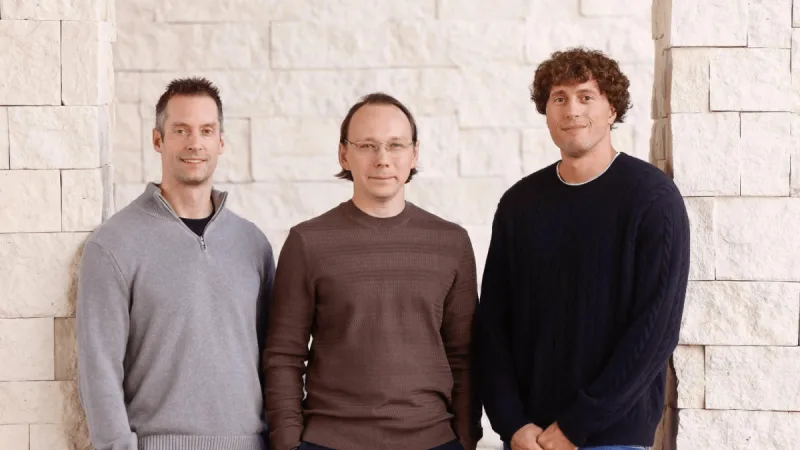
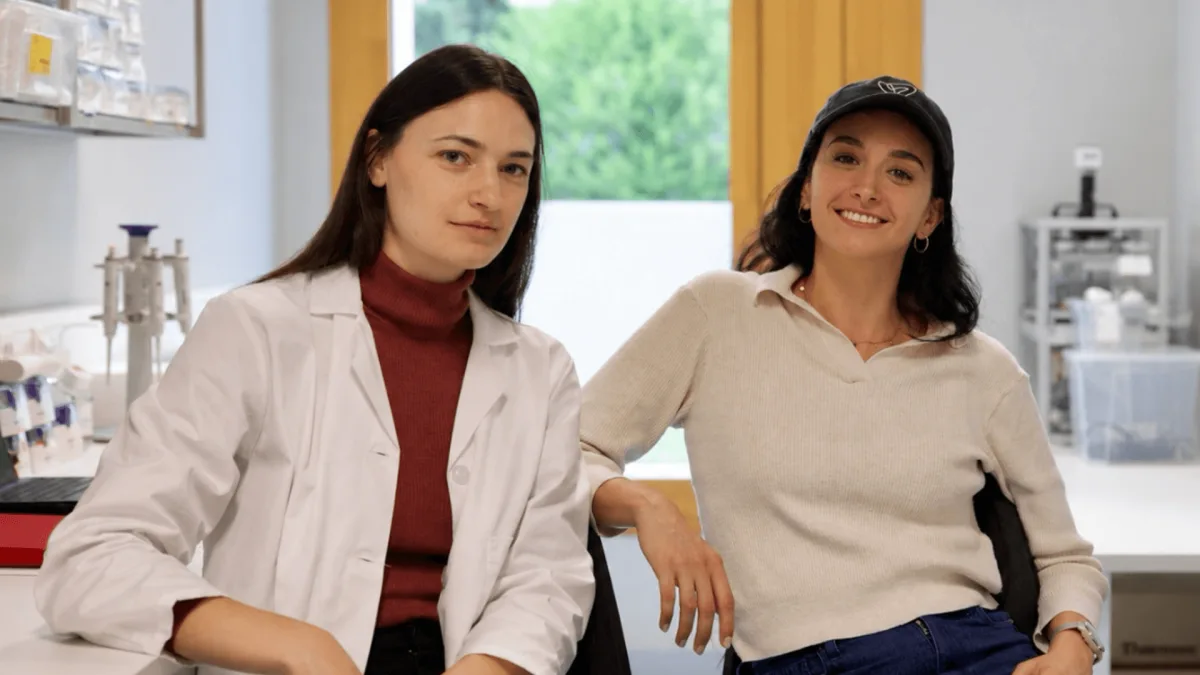
Ilaria Incaviglia, Angeliki Damilou, Daniel Medina Cano and Theodoulos Rodosthenous established Vale Biolabs to deploy lab-grown human brain tissue, robotic automation and predictive artificial intelligence in helping scientists understand how the brain reacts to pharmaceutical compounds and accelerate the discovery of new treatments. The co-founders bring combined knowledge spanning organoid neurobiology, robotics, machine learning engineering and early-stage business development.
The Challenge of Brain Drug Development
Creating medicines for brain disorders faces significant hurdles, mainly because early-stage research depends extensively on testing with animals. Biological differences between animal models and humans create uncertainty about whether drugs will work in actual patients, leading to unsuccessful clinical trials, higher expenses and slower approval timelines for new medicines.
How Vale Biolabs Works
Vale Biolabs tackles this problem by manufacturing standardised human brain organoids—tiny laboratory versions of brain tissue that capture key features of the human brain. The company uses automated systems to track how these tissue models evolve, measuring their physical structure, electrical activity and chemical reactions when exposed to experimental drugs.
This information feeds into artificial intelligence systems that forecast how brain tissue will respond, enabling research on brain development, age-related neurological decline and conditions like Alzheimer's and Parkinson's. By enabling pharmaceutical companies to evaluate treatments using actual human brain material before moving to human trials, the platform can flag winners and eliminate failures earlier, potentially avoiding expensive clinical trial setbacks.
The approach could unlock research possibilities across numerous brain conditions, from uncommon genetic brain disorders to progressive neurodegenerative illnesses, while simultaneously lowering the cost of drug development and bringing new treatments to patients faster.
What the Funding Will Support
Venture Kick's investment will enable Vale Biolabs to refine its robotic platform, expand its collection of human brain organoid varieties and build larger datasets needed to train and test its machine learning algorithms. The capital will additionally strengthen partnerships with academic research groups and commercial partners in the pharmaceutical and biotech sectors.
Source: Tech.eu