Section
Future
Future on Europa Now: AI, climate tech and the long bets that will decide what Europe builds next.

AI
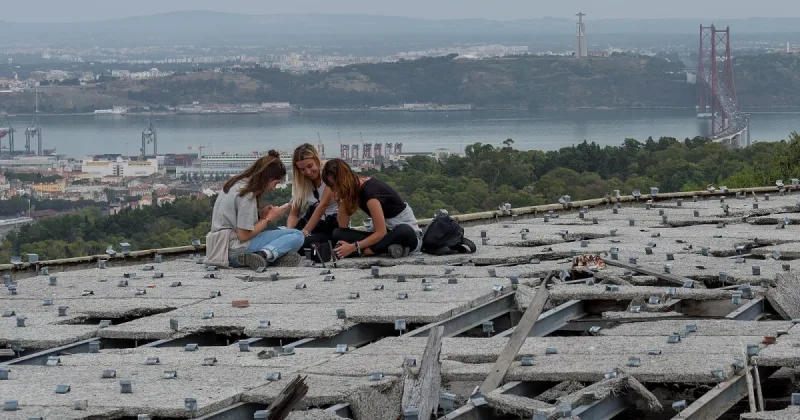
Your Brain's Built-in Alarm: Why Consistent Wake Times Beat Willpower
Research reveals that waking without an alarm isn't about discipline—it's about your sleeping brain anticipating morning and triggering hormonal shifts an hour before you open your eyes.
AI
Growth mindset about singlehood predicts satisfaction, but daily experiences fade fast
A series of diary studies and an experiment reveal that believing singlehood offers personal development correlates with contentment, yet the actual activities people undertake show little predictive power beyond the same day.

AI
Beyond the Willpower Myth: What Actually Works Against Decision Fatigue
The popular theory that willpower depletes like a battery has largely collapsed under scientific scrutiny. Understanding why opens the door to simpler, more effective strategies for managing the real exhaustion that comes from making too many choices.

AI
Building SaaS for Africa: A Sales Leader's Blueprint for Founders
Dr Kayode Adedapo Kolawole, Sales Director at Nagode Industries and judge for SaaS 66, shares three decades of West African market experience and explains why founders must prioritize customer pain over technology sophistication.

Climate Tech
How a $500 loan saved Pennsylvania's raptors and created the world's first bird-of-prey sanctuary
In 1934, conservationist Rosalie Edge borrowed money to lease land on Kittatinny Ridge and stop the mass shooting of migrating hawks. Her sanctuary became a model for raptor protection worldwide.
AI
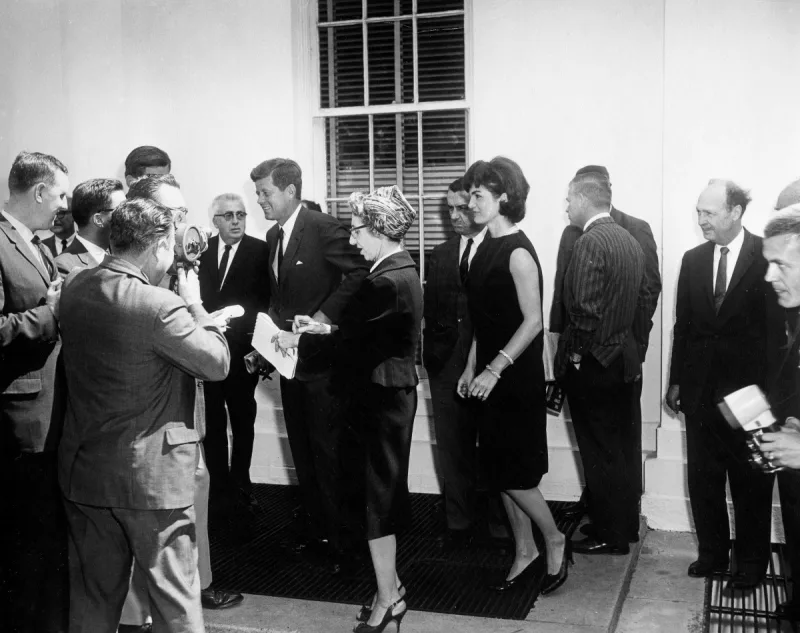
The Kennedy-Monaco Luncheon: Separating Archive from Legend
A 1961 White House gathering between President Kennedy and Princess Grace of Monaco has spawned decades of speculation. What does the archival record actually tell us?

AI
The paradox of power: why authority erodes the self-awareness that built it
Research reveals that climbing the organisational ladder doesn't just reward self-aware people—it actively strips away the very capacity that helped them rise. The higher leaders climb, the less equipped they become to see themselves clearly.

AI
Why Nature Genuinely Calms Your Brain—and How Much Time You Actually Need
Stepping into natural settings triggers a measurable shift in how your brain operates, allowing overworked attention systems to finally rest. Research pinpoints the specific mechanisms behind this neurological relief and reveals the minimum dose needed for real benefits.