The financial burden of powering artificial intelligence infrastructure is reshaping how utilities and data centre developers negotiate with their biggest clients. Rather than absorbing the cost of grid upgrades themselves, utilities increasingly expect major tech firms to guarantee payment if projects fail to materialise.
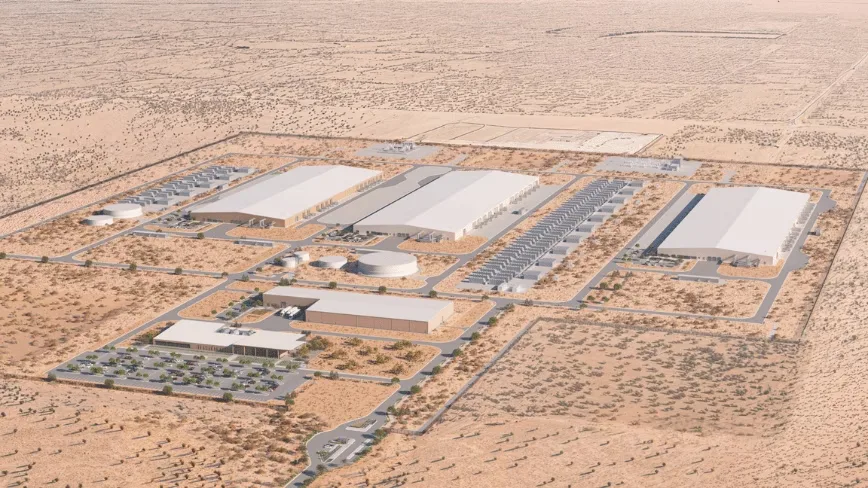
Applied Digital, a data centre developer, has demanded billions of dollars in guarantees from prospective tenants including Oracle and Meta before finalising lease agreements, according to Bloomberg. These financial commitments are designed to secure reliable power supply to the facilities, with the arrangement reportedly applying to chipmakers Nvidia and AMD as well. The guarantees are negotiated individually and typically cover expenses associated with establishing grid connections.
Credit quality has become a decisive factor in determining which companies gain access to data centre capacity. Applied Digital has restricted its leasing arrangements with lower-rated operators such as CoreWeave, a move that shields the developer from additional utility requirements that accompany higher-risk tenants. According to Bloomberg, the company maintains a target allocation of 70 per cent investment-grade customers to 30 per cent non-investment-grade customers.
Applied Digital prefers to do business with investment-grade tenants, with a preferred mix of 70% investment-grade to 30% non investment-grade
Applied Digital chief executive Wes Cummins, in a statement to Bloomberg
CoreWeave stated that its relationship with Applied Digital remains robust. Meta and Oracle both declined to provide substantive responses to inquiries about the arrangement.
The shift in how infrastructure costs are allocated reflects a broader change in utility economics. Historically, utilities financed grid improvements and recovered expenses through customer rate increases. Today's regulatory environment increasingly requires the largest power consumers to shoulder these costs directly if their projects encounter difficulties. This pressure intensified following recent midterm elections, where candidates emphasising affordable electricity secured significant victories.
Oracle has already encountered these new requirements firsthand. Wisconsin regulators mandate that large customers with credit ratings below A- must provide collateral. The company's Lighthouse campus project could require more than $7 billion in such guarantees. Oracle challenged the regulator's decision in June but withdrew its lawsuit in August.
Indiana's Nipsco utility adopted a different approach to the same challenge. Its parent company NiSource established GenCo, a separate entity through which Amazon, Google and Microsoft finance the power generation infrastructure dedicated to serving their operations.
We did not want customers to wear the liability
NiSource executive Michael Luhrs, to Bloomberg
GenCo has secured 5 gigawatts of capacity agreements, Bloomberg reported. NiSource estimates that this arrangement will save existing customers approximately $1.75 billion.
These guarantee requirements emerge as artificial intelligence companies accumulate substantial debt. Barclays projects that hyperscalers will issue between $300 billion and $320 billion in debt during the current year.
Source: The Next Web