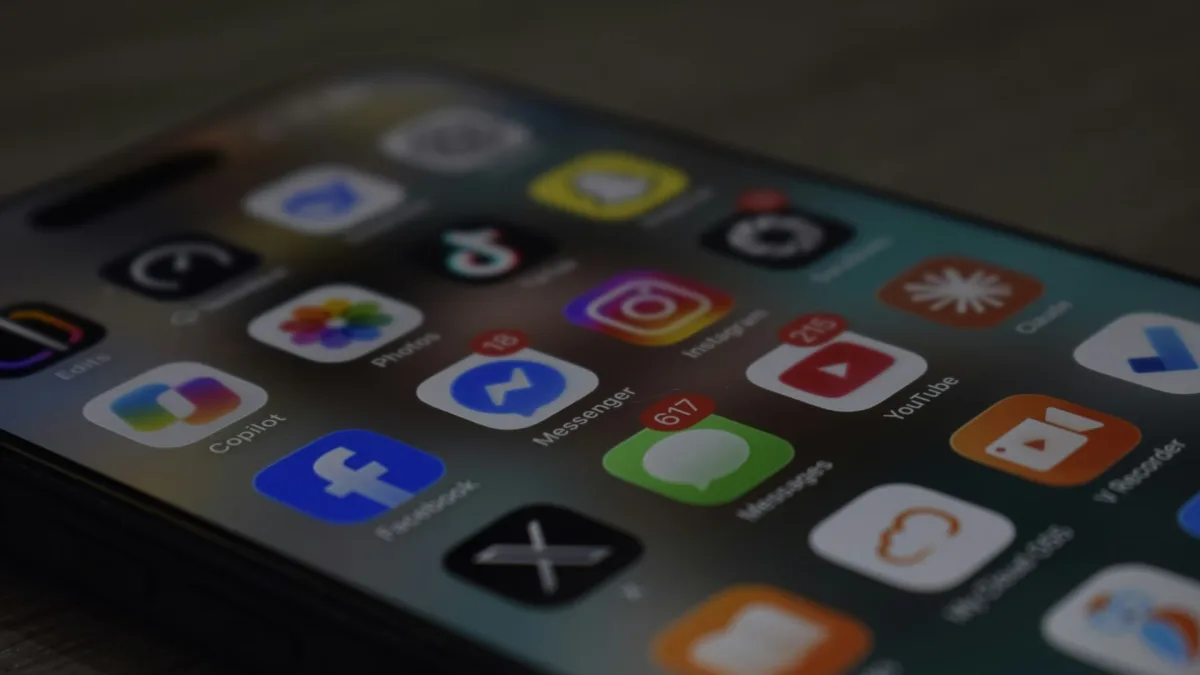
Australia is moving toward litigation against Meta, TikTok, Snap and Google's YouTube regarding the nation's ban on social media access for users under 16. According to statements made to Bloomberg, Communications Minister Anika Wells disclosed that eSafety Commissioner Julie Inman Grant is leveraging newly granted powers to construct a case for Federal Court proceedings.
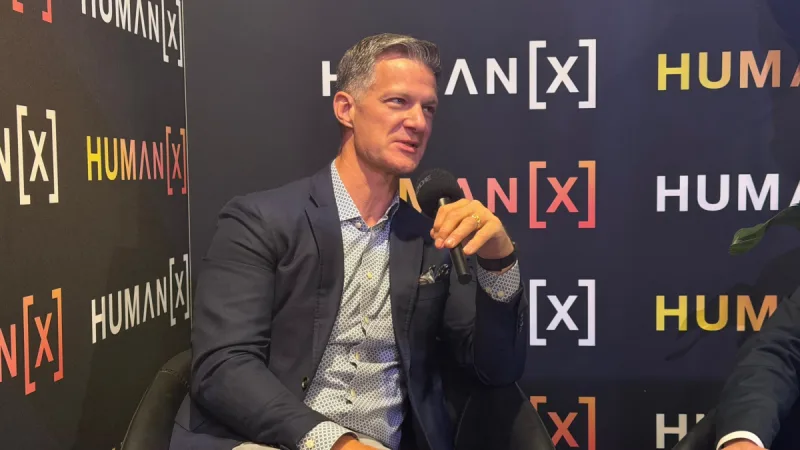
In an interview with Bloomberg's Angus Whitley conducted in Sydney, Wells identified Facebook, Instagram, TikTok, Snapchat and YouTube as the five platforms that will face legal action. The minister emphasized that "Now she has more powers to be able to gather the evidence that she needs to take those five companies to the Federal Court," adding that "She's now using those powers to prepare her case." No lawsuit has yet been filed.
Enforcement challenges since the ban took effect
The prohibition on under-16 access commenced in December 2025, with the eSafety Commissioner launching compliance investigations in March. An August report indicated that teenage TikTok usage declined by just one percentage point following implementation.
The platforms contend they are adhering to the rules. Meta announced in August that it had deactivated more than 750,000 Facebook and Instagram accounts in Australia suspected of belonging to minors, employing artificial intelligence to examine posts, biographical information and captions for indicators such as birthday celebrations or school-related content.
Meta has also articulated its position on how age verification should function. The company stated: "Our primary concern is that platforms are not taking a consistent approach to how they are removing teens. There should be a single reliable age signal delivered at the operating system or app store level." Prime Minister Anthony Albanese has noted that Apple's chief executive has expressed support for the ban.
Building international pressure on tech companies
Beyond domestic legal action, Wells is assembling a multinational coalition aimed at compelling major technology firms to strengthen child safety protections. She has engaged in discussions with government officials from Malaysia, the Philippines, New Zealand, Canada, Sweden and the United Kingdom, with additional conversations scheduled in the coming weeks.
Wells characterized the challenge as one requiring coordinated global action, stating: "These are the most resourced, powerful companies in the world. It's going to take a coalition of lawmakers working together across the globe to take them on."
The foundation for this international effort is the Digital Duty of Care bill, which the government introduced the previous week. This legislation would obligate digital platforms—encompassing social media services and AI-powered chatbots—to safeguard users under 18 from harassment, cyberbullying and explicit material. Companies would be required to conduct annual risk assessments for their user base.
The proposed law would additionally grant users the ability to disable algorithmic content feeds. Non-compliance would result in penalties reaching A$109.2 million ($76.2 million). Wells aims for parliamentary passage by year's end, with enforcement beginning 12 months thereafter.
The Australian Greens have advocated for penalties calculated as a percentage of worldwide revenue and a mechanism for individuals harmed through online conduct to pursue legal remedies. Wells indicated openness to both proposals. The Trump administration has already raised objections to the bill, cautioning that Australia's regulatory approach toward American technology corporations could establish a precedent for other nations.
Wells summed up the multifaceted nature of the effort, declaring: "We are fighting a communications war as well as an enforcement battle."
Source: The Next Web