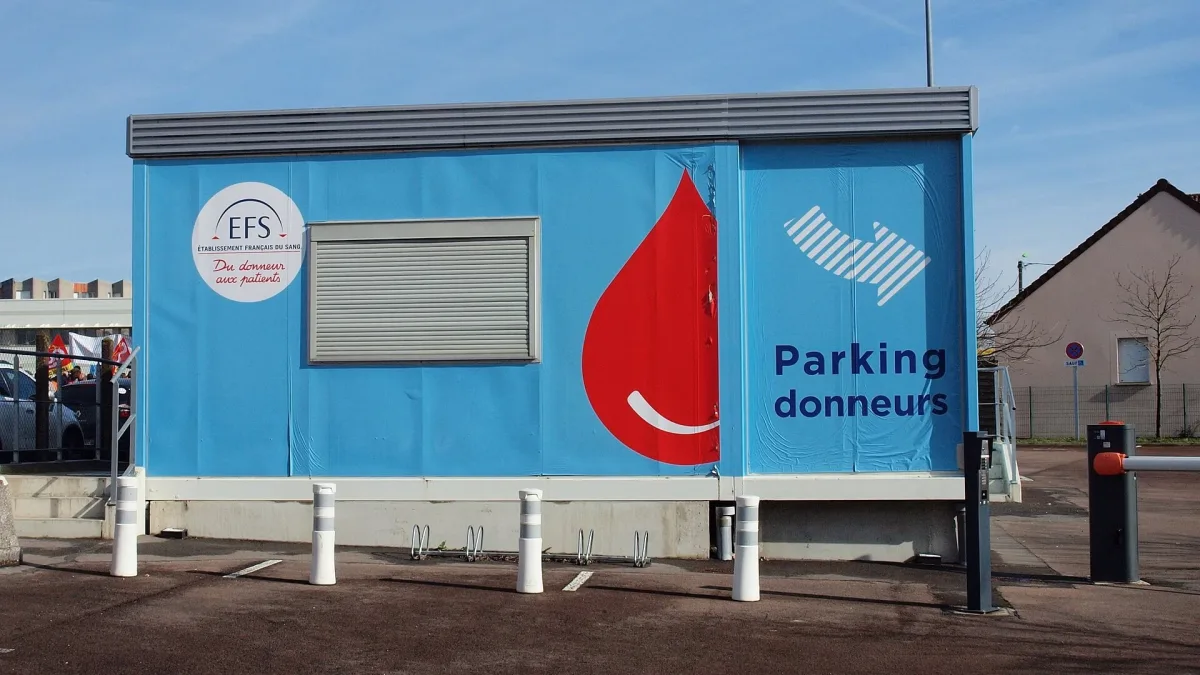
A cyberattack on a refrigeration supplier to France's national blood service compromised cold storage systems at three locations, but monitoring systems detected the intrusion before any blood products were harmed. The Établissement français du sang (EFS) confirmed on Tuesday that attackers had gained access to equipment controlling temperature settings at facilities storing plasma for transfusions, plasma destined for pharmaceutical production, and biobank samples.
The assault occurred on Monday, November 2, targeting not the EFS directly but one of its refrigeration suppliers. Once inside, the attackers manipulated temperature and defrosting thresholds to extreme levels. When alarms triggered, staff at affected sites responded by either restoring equipment to normal operation or powering systems down entirely, relocating the stored plasma to safety as a precautionary measure.
The EFS stated: "No health impact has been identified and no blood products have been lost." The service confirmed that blood collection activities and hospital deliveries continue without interruption.
According to reporting by satirical publication Le Canard enchaîné, the supplier was identified as Coolworld, with temperatures in the affected rooms climbing to 110°C. An EFS official speaking to ICI, the local network of Radio France, indicated that readings reached as high as 150°C, though the service has not officially disclosed the supplier's identity or specific temperature figures. Plasma is ordinarily maintained at approximately -25°C.
France's cybersecurity authority ANSSI and the Ministry of Health are collaborating with the EFS on the investigation. The blood service has implemented enhanced temperature monitoring protocols across all its equipment.
The identity of those responsible remains unknown, and investigators have yet to establish the method of initial access or the full scope of compromised devices. The incident occurs amid a broader pattern of freezer and refrigerator takeovers affecting supermarkets across at least six European Union nations in recent weeks, prompting the European Commission to examine retailer cybersecurity measures. In parallel, the United States Department of Defense is examining freezer malfunctions at military installations suspected to be cyberattack-related.
Source: The Next Web