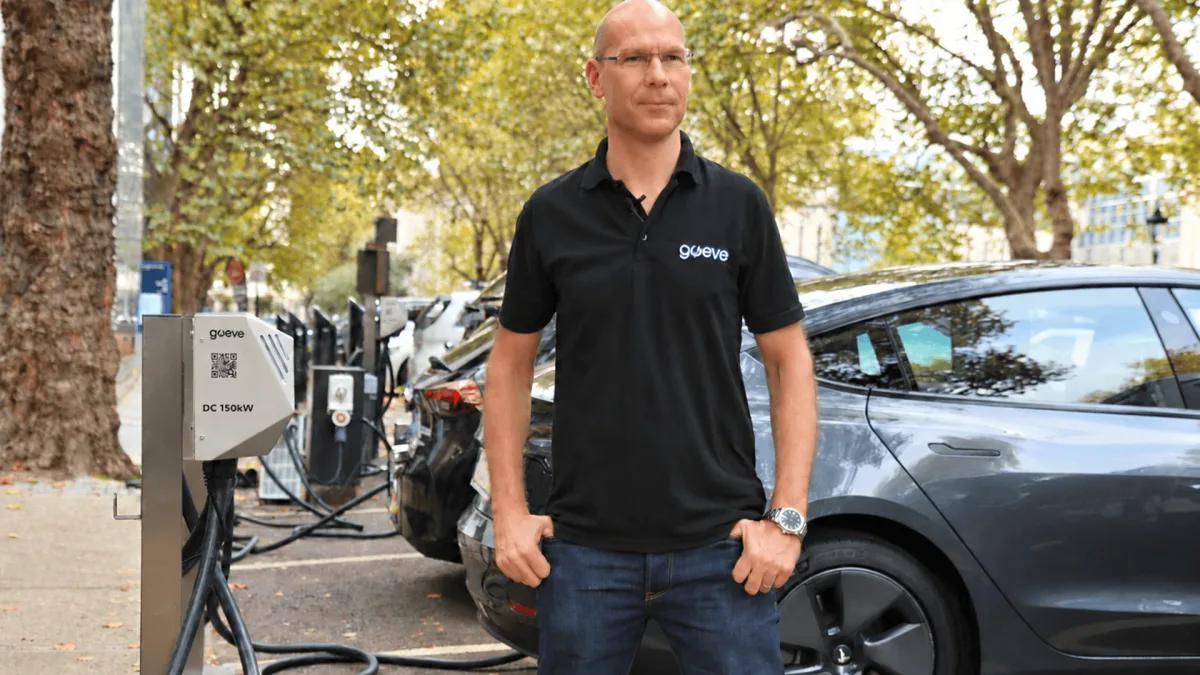
Go Eve, a joint venture emerging from University College Dublin (UCD) and Imperial College London, has attracted £750,000 in backing from Innovate UK and private investors. The capital will fuel an 18-month development cycle aimed at enhancing DockChain, the company's proprietary system that lets a single DC fast charger handle multiple parking spaces.
The technology addresses a practical constraint facing fleet operators: the need to expand charging capacity without deploying a dedicated fast charger at every bay. DockChain allows several vehicles to stay connected to a compatible charger that cycles through them sequentially, one vehicle at a time. This arrangement can trim both the number of chargers needed and the underlying electrical infrastructure, potentially cutting setup expenses and speeding up rollout timelines.
The new initiative, backed by NovaUCD, will concentrate on building custom hardware, firmware and software components. The goal is to strengthen DockChain's capacity to initiate, halt and resume charging cycles without requiring physical disconnection of vehicles from the charger.
Real-world lessons from fleet deployments
Practical experience from fleet installations has revealed that electric vehicles behave inconsistently during charging operations. Certain models struggle to begin charging on the initial try, while others resist restarting after a charging pause. Go Eve's project targets these real-world complications to boost the dependability of sequential charging and grant fleet operators more control over charging priorities and vehicle scheduling.
We've already shown that fleets can serve more bays without multiplying the number of fast chargers, that's where the immediate cost and rollout benefit comes from DockChain. Working with fleets has also taught us that vehicles don't always behave exactly as expected at the charging connector. Some EVs need another attempt to start; others can be reluctant to restart charging after power flow is paused for grid, or priority reasons. This project tackles those practical issues so we can make DockChain more reliable and more flexible.
John Goodbody, co-founder and Marketing Director of Go Eve
Expanding into grid services
Beyond boosting charging dependability, the initiative will examine how DockChain might enable bidirectional charging and vehicle-to-grid (V2G) capabilities. These features could open revenue streams for fleet operators by allowing them to tap into their parked vehicles' battery capacity when demand warrants it.
Backed by Innovate UK's Growth Catalyst and Investor Partnerships programme, the work will be conducted by Go Eve's engineering division based in Wolverhampton. The company intends to have a production-ready iteration of DockChain available by 2027, with current installations able to receive upgrades.
Go Eve is actively recruiting fleet operators to test the technology at locations facing constrained charging capacity, shifting charging demands or opportunities for V2G deployment.
Source: Tech.eu