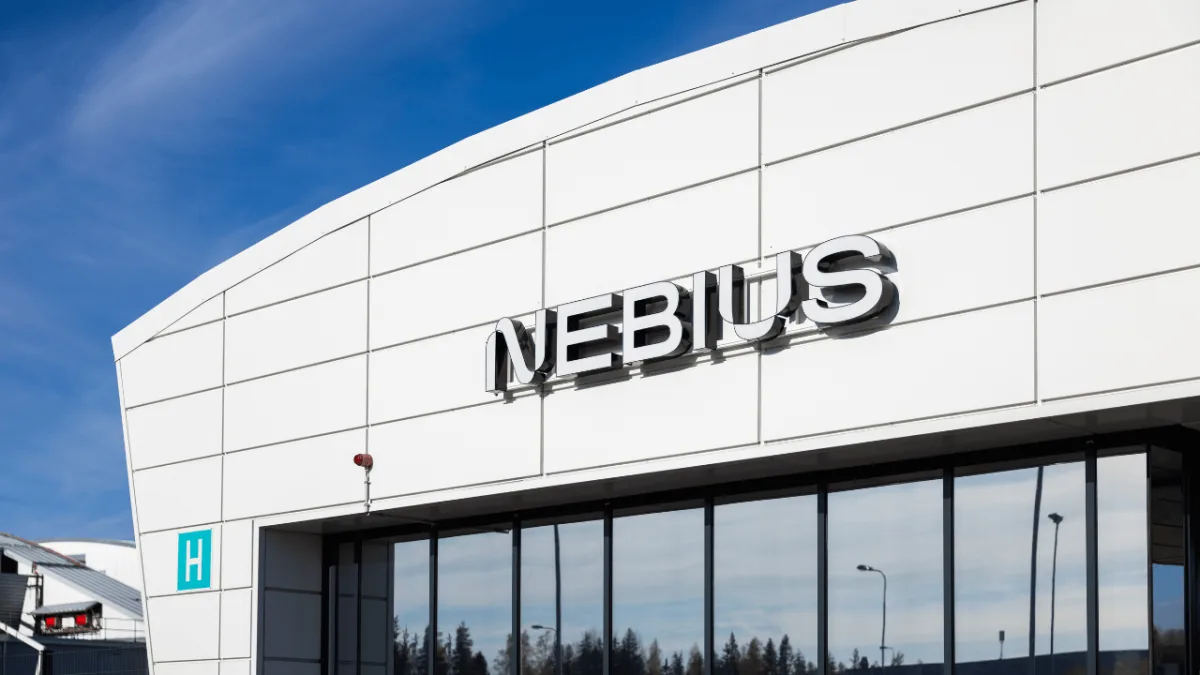
Nebius, an Amsterdam-listed operator of GPU-packed data centres serving AI and enterprise clients, announced a dramatic 571 per cent year-on-year revenue increase for Q3, reaching $981m. Yet the company acknowledged that several of its co-location facilities have fallen behind schedule, tempering the otherwise bullish results.
The infrastructure provider, which builds and operates data centres and supplies both compute access and specialised software for running AI applications, has benefited from surging demand across the sector. At the same time, Nebius reported a net quarterly loss of $37.5m, an improvement from the $119.6m loss recorded in the same period last year.
Construction setbacks have affected multiple sites, most notably the 300 MW facility in Vineland, New Jersey, where Microsoft is a significant customer. Nebius attributed the delays to power supply constraints. The company expects these scheduling issues to shift some revenue from 2026 into 2027.
Building at this scale is hard, and delays are part of our industry right now. We are not immune. For example, some of our co-location sites, including New Jersey, are behind schedule. Customers have been kept informed and none of that capacity is cancelled.
Arkady Volozh, CEO of Nebius
On the software side, Nebius has observed growing adoption of open-weight models among users of its platform, a trend the company views positively. Roman Chernin, chief business officer at Nebius, noted that this diversification strengthens the company's market position.
We have absolutely seen the adoption of open models accelerate even in the last few months. The bigger the diversification in the market is better for us. This diversification comes from open models or other ways to build specialised models for the use cases. Because it extends the universe of customers and partners we can work with.
Roman Chernin, chief business officer, Nebius
Despite the current losses, Nebius has set an ambitious target to achieve pre-tax break-even by the close of 2027. The company's stock had declined sharply in recent weeks as investors reassessed the economics of the AI infrastructure buildout.
Source: Tech.eu