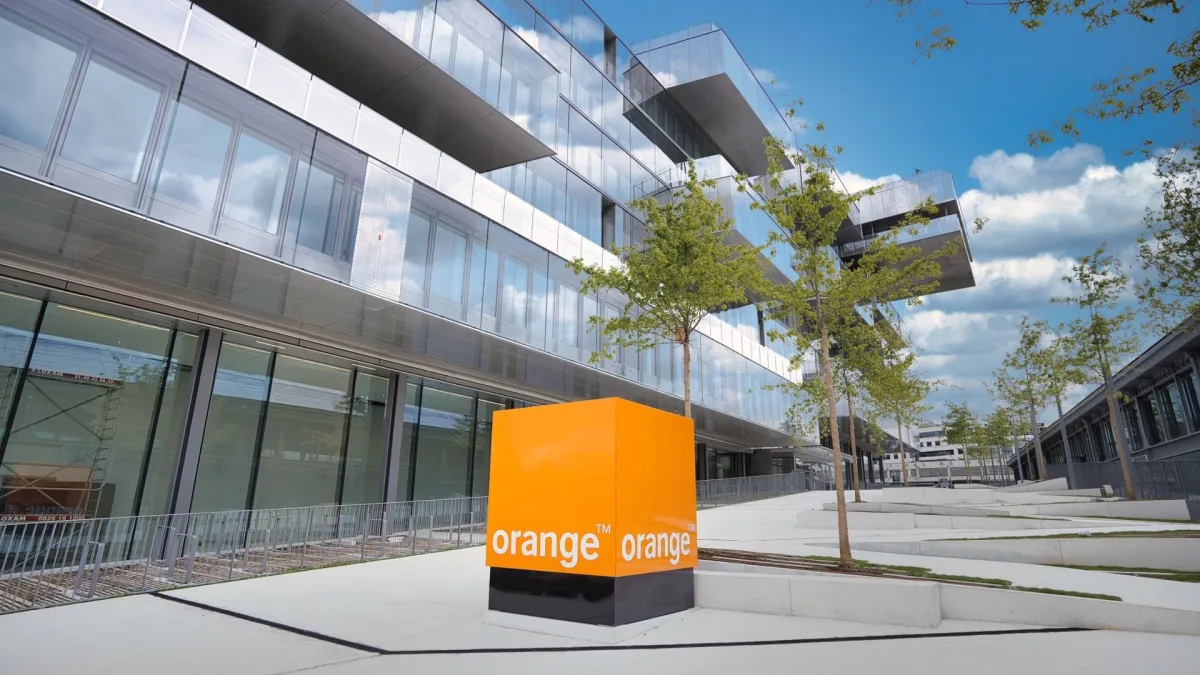
The French telecom giant has unveiled its Wolof AI initiative at its OpenTech event in Paris on Tuesday, marking a departure from earlier commitments. The company's strategy shift means that Pulaar, which was promised alongside Wolof last year, has been reassigned to its voice roadmap instead of its text model work, according to a company representative who spoke with TNW.
Five models spanning from 0.6 billion to 14 billion parameters are now available as open-weight releases. Orange constructed these by adapting Alibaba's Qwen3 foundation, and the models are accessible at no cost on Hugging Face for non-commercial purposes. The training relied on publicly available datasets that were automatically converted into Wolof, with no proprietary Orange information included in the process. Commercial licensing arrangements may be negotiated separately with Orange.
The publication of these models is more than a technical milestone; it delivers on a promise to make a real difference to people's lives
Ben Cheick Haidara, deputy CEO of Orange Middle East and Africa
Orange first disclosed this undertaking in November 2024, at which point the organization indicated plans to adapt Meta's Llama text model and OpenAI's Whisper speech model. The original timeline projected delivery of both Wolof and Pulaar during the first half of 2025.
The Qwen Selection
We chose Qwen because it offered the best performance for our language-modelling needs at the time. Whisper is a speech recognition model, not a language model, and therefore was not suitable
Orange spokesperson
Alibaba distributes Qwen as an openly available model family. The company introduced Qwen4-Max on Monday, though this latest iteration was released without open weights.
The quality assurance process involved Wolof-speaking reviewers who assessed both the training material and model outputs. These evaluators conducted blind, Arena-style assessments across multiple use cases, evaluating both precision and linguistic naturalness specific to Wolof.
Pulaar Transitions to Voice Work
Pulaar belongs within Orange's voice AI initiatives rather than text-based models, the spokesperson clarified. The language remains part of the company's longer-term strategy. Currently, Orange is prioritizing voice capabilities for additional languages: Darija in Morocco, and Dyula and Mossi in Burkina Faso.
Joining a Broader Language Initiative
Orange has confirmed its participation in the AI language partnership established by the Gates Foundation in September. This coalition, comprising more than 60 organizations, is working toward extending AI services to 3.4 billion individuals in their native languages and voices. Cassava, an African AI company, was among the early participants. The foundation announced in September that it would allocate at least $1 billion toward expanding AI access.
Source: The Next Web