The protocol functions as a communication layer between visiting AI agents and company systems, specifying what actions an agent can perform and who it is interacting with. When an AI assistant arrives at a website, Poppy enables the business to authenticate the user and establish permission boundaries for transactions like order checks or flight bookings. Users maintain control by logging in through conventional authentication methods and explicitly granting their agent access to specific functions.
Sierra, the customer service AI firm headed by Bret Taylor, a former co-president at Salesforce, unveiled the standard on Thursday. The rollout marks a significant milestone for the protocol, which Sierra and Meta first introduced in October. Shopify has activated Poppy across its entire merchant network, while Meta's Muse—an agent adopted by more than 10 million users—now prioritizes searching for the standard on every website it encounters.
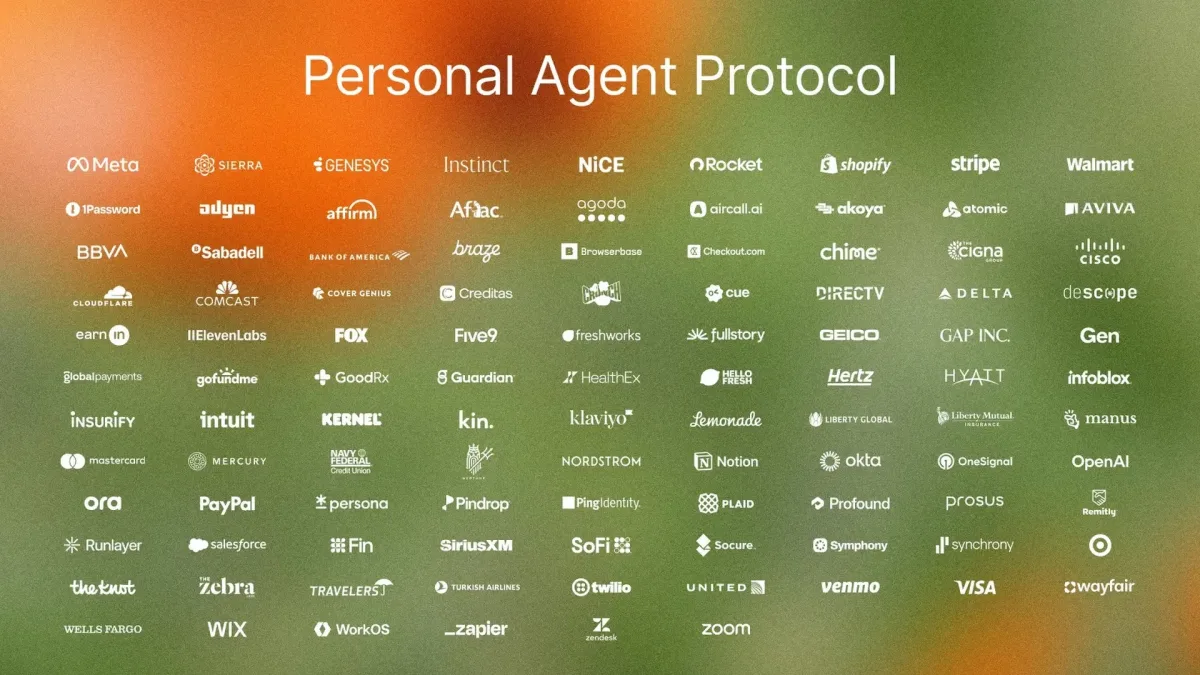
The ecosystem backing Poppy has expanded substantially since its initial announcement. Beyond Shopify and Meta, the protocol now counts more than 100 participating organizations, with 60 additional companies joining since the version 1.0 release. Major names in the roster include Delta Air Lines, Intuit, Salesforce and Zoom.
Several organizations have already begun operating with the standard. Mercury, a banking platform, permits agents to review account balances and initiate payments, though all transactions remain subject to the account's existing approval mechanisms. Turkish Airlines has integrated Poppy to allow agents to search pricing and identify premium cabin availability, with customers confirming purchases before payment processing occurs.
For Shopify merchants, implementation requires no action. The protocol manages the initial handshake when an agent identifies itself, while Shopify's established commerce infrastructure continues to oversee shopping carts and payment flows. Agents must obtain explicit permission from customers before executing certain transactions.
The specification remains in draft status despite the 1.0 designation, meaning modifications that could affect compatibility with existing implementations remain possible. Sierra and its partners are still refining the standard as adoption accelerates.
Poppy exists within a broader landscape of emerging standards for AI commerce interactions. Payment networks Visa and Mastercard are developing identity verification systems for agents, while Amazon has pursued its own strategy by encouraging consumers to adopt its proprietary shopping assistant instead of competing platforms like Muse.
Source: The Next Web