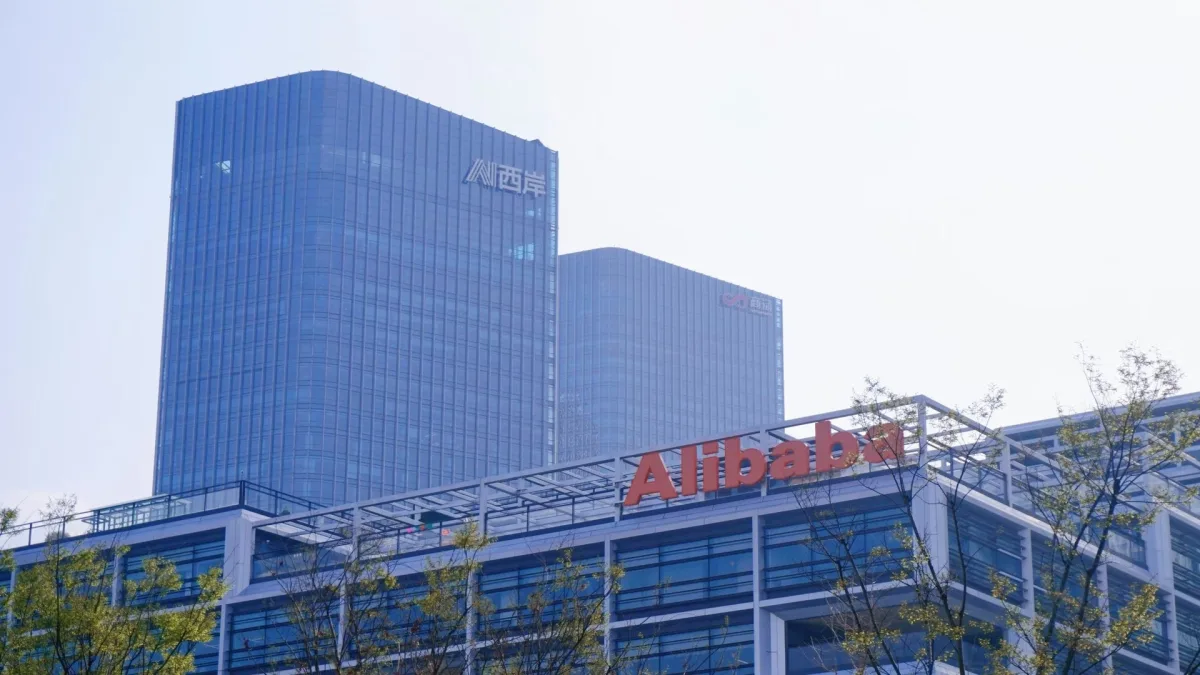
Alibaba has rejected the decision and pledged to challenge it through every available legal channel. The company's Singapore-based unit Apex transferred nearly $474 million to Megaspeed during 2024, before the latter commenced importing Nvidia processors.
Washington's Commerce Department has designated Apex Enterprise Solutions, a subsidiary of Alibaba operating from Singapore, as a restricted entity subject to trade controls. This action connects one of China's leading technology firms to the broader enforcement campaign targeting Megaspeed, the company at the heart of the Nvidia controversy. According to Bloomberg, this may represent the first instance of such action by the US government against an Alibaba-owned operation.
The addition was erroneous because Apex has never diverted advanced computing chips subject to US export restrictions. We will seek all legal avenues to protect our rights and reputation.
Alibaba, in a statement to Bloomberg
Seven names on the list
On Monday, the Commerce Department announced restrictions on seven organizations operating across Singapore, Malaysia and Thailand, according to official filings. Apex appears among them. The remaining six entities consist of three Megaspeed-affiliated companies, Speedmatrix (Megaspeed's Malaysian operation), MSFusion and Swiftdata. Swiftdata, registered in Singapore, currently holds ownership of Megaspeed.
The department determined that these organizations presented a substantial likelihood of involvement in channeling restricted semiconductors to unapproved recipients. Going forward, the department will evaluate any requests to export US technology to these entities under a presumption that such sales should be denied. Details regarding the practical implications of such designations are available in our separate coverage of the Megaspeed blacklisting.
The specific reasoning behind the Commerce Department's decision to restrict Apex remains undisclosed, Bloomberg reported. Megaspeed has consistently maintained that it has engaged in no improper conduct.
A deposit of nearly $474m
Apex commenced operations in Singapore during July 2023. In the opening month of 2024, it executed a service contract with Megaspeed, as documented in Singapore's corporate registry and reported by Bloomberg. According to sources familiar with Alibaba's operations, this arrangement enabled Megaspeed to furnish AI computing resources to Alibaba.
On 18 June 2024, Apex transferred up to nearly $474 million to Megaspeed in advance payment, according to corporate records. Megaspeed pledged shares in Speedmatrix as security for this transaction. An individual with knowledge of Alibaba's dealings characterized the payment as a deposit, a typical practice within the neocloud sector, where operators secure customer commitments before acquiring Nvidia equipment.
Within seven days of the payment, Megaspeed commenced receiving Nvidia processors, according to customs data tracked by Big Trade Data and cited by Bloomberg. Indonesian customs records documented 60 Nvidia H200 servers arriving on 12 June. Malaysia received thirty servers equipped with H800 chips on 21 June.
Megaspeed subsequently accumulated approximately $4.6 billion in Nvidia equipment purchases, based on Bloomberg's examination of trade documentation. This volume established Megaspeed as Nvidia's top customer throughout Southeast Asia. The company leased the majority of its computing infrastructure to Alibaba. Megaspeed has declined to disclose the source of these funds.
A relationship that began in 2022
Nvidia facilitated an introduction between Alibaba and Alice Huang, then serving as Megaspeed's chief executive, during 2022, according to reporting by The Information. For an extended period, Washington permitted such cloud arrangements. A newly implemented regulation now restricts overseas access to cutting-edge semiconductor technology.
This designation compounds existing difficulties for Alibaba within Washington's policy circles. During June, the Pentagon identified Alibaba as among Chinese technology companies allegedly supporting China's armed forces. Alibaba initiated legal proceedings to challenge this designation and maintains that it maintains no military partnerships. The New York Times has additionally reported that Alibaba's artificial intelligence systems supported research conducted at an institution with connections to China's military establishment. Alibaba characterized this allegation as baseless.
Source: The Next Web