Zendesk unveiled a fundamental shift in how it charges for artificial intelligence on Tuesday at its AI Summit in San Francisco. Rather than billing based on the number of users accessing the software, the company will now charge customers for each problem its AI actually solves or task it completes. This new approach forms the centerpiece of the company's Outcome AI Platform.
Outcome-Based Billing Model
The revised pricing structure allows businesses to establish an 'Outcome Budget' and pay only when the AI delivers measurable results. Zendesk validates each resolution for quality and completeness, giving customers transparency about what contributes to their spending. This approach enables organisations to begin with modest investments and increase expenditure as they expand the AI's responsibilities.
The company has championed this payment philosophy previously. Earlier in the year, Zendesk collaborated with Sierra to advocate for result-based compensation for AI agents rather than per-seat licensing. OpenAI has similarly begun experimenting with comparable pricing structures among select customers.
According to Tapan Patel, research director at IDC, "the change reflects how business buyers now want to pay for AI." He noted that tying expenses to verified outcomes provides greater clarity regarding the value customers receive.
Open Service Directory and Verification
Zendesk recognises an emerging reality: consumers increasingly deploy their own AI assistants to interact with businesses. To address this trend, the company is introducing the Open Service Directory, a publicly accessible registry where organisations can list their official support channels. This enables AI assistants to locate and verify legitimate help options, even for companies not using Zendesk's platform.
Participating brands retain control over the information they expose and determine when human intervention becomes necessary. The directory itself does not access confidential customer information nor execute any actions independently. Initial participants include Betterment, ElevenLabs and Telekom Payment.
Zendesk Bridge and Integration Tools
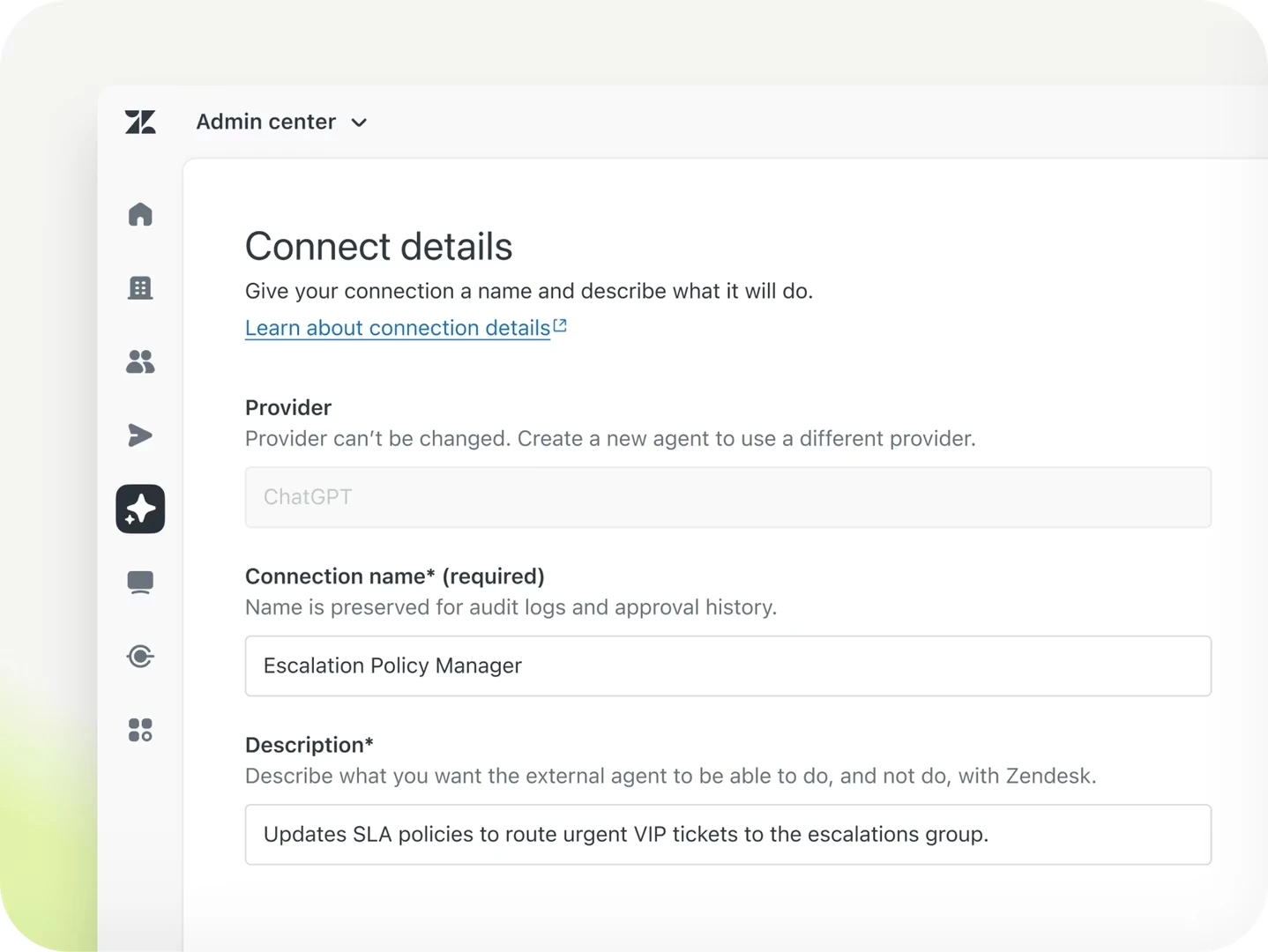
A new capability called Zendesk Bridge enables organisations to connect external AI agents and applications—including ChatGPT—directly to Zendesk infrastructure. Establishing such connections requires only a name for audit purposes and a straightforward description of the agent's intended and prohibited actions.
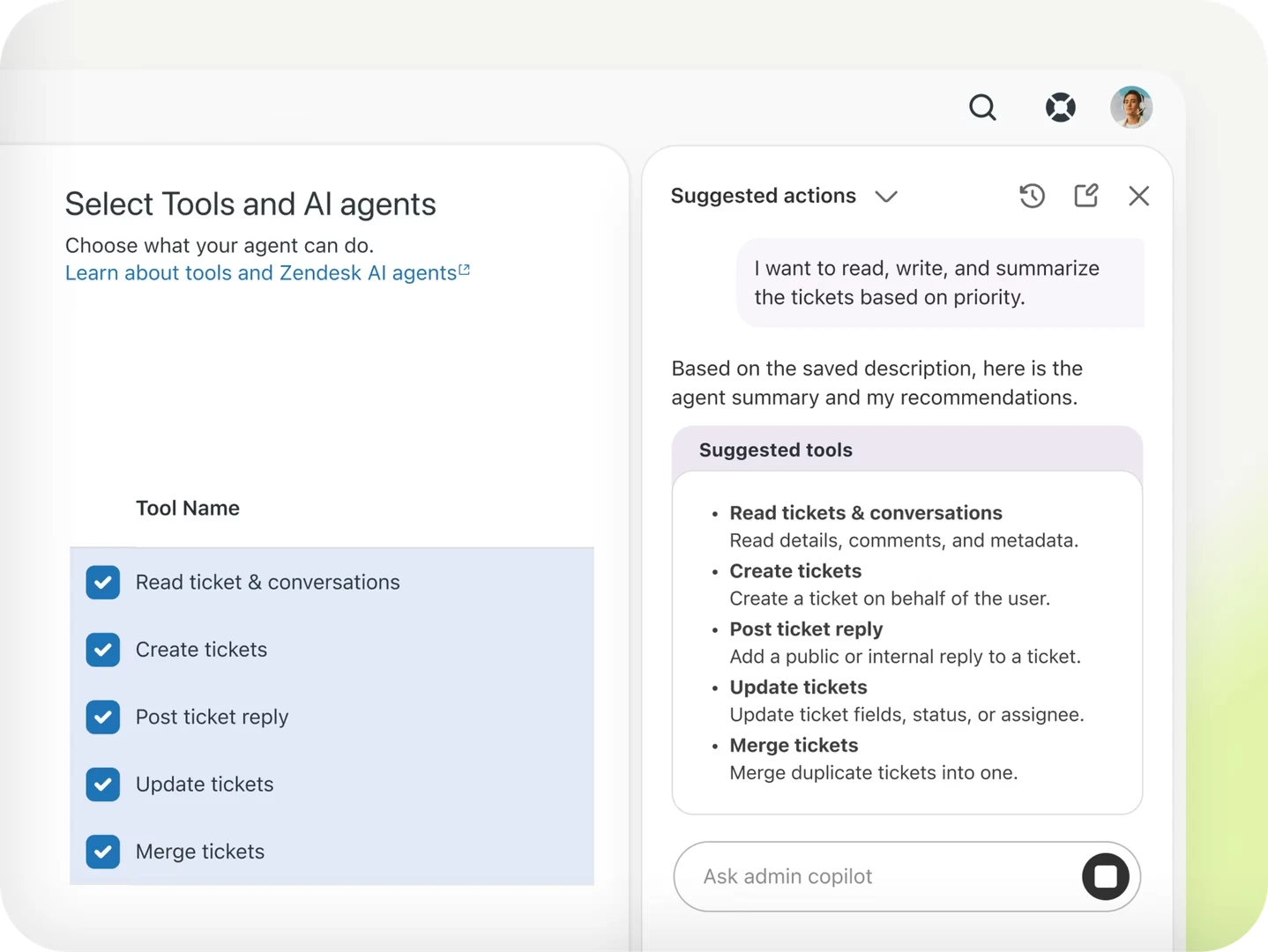
System administrators define precisely which operations each agent can perform, including reading, creating, answering, updating or merging tickets. An assistant named Admin Copilot recommends which capabilities to activate based on the provided description.
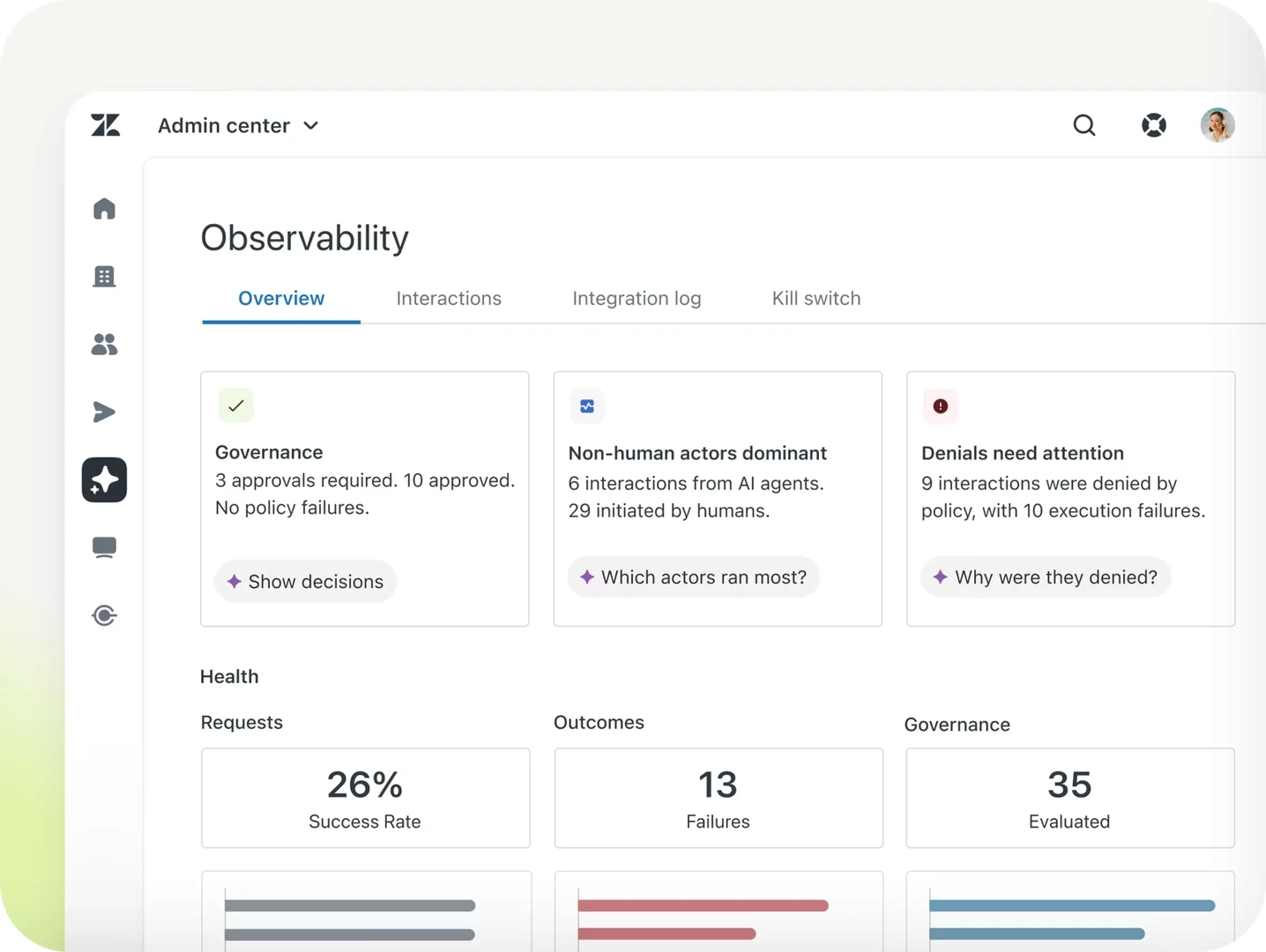
All activity flows through Bridge, which enforces permissions, applies company policies and escalates to humans when required. An observability dashboard displays request volumes from AI agents versus human users, identifies blocked actions and explains why they were prevented. The system includes an emergency shutdown option. Bridge remains in early access while the directory will launch shortly.
People don't think about which channels, systems, or departments they need to navigate to interact with a business
Tom Eggemeier, Zendesk chief executive
AI Agent Development and Analytics
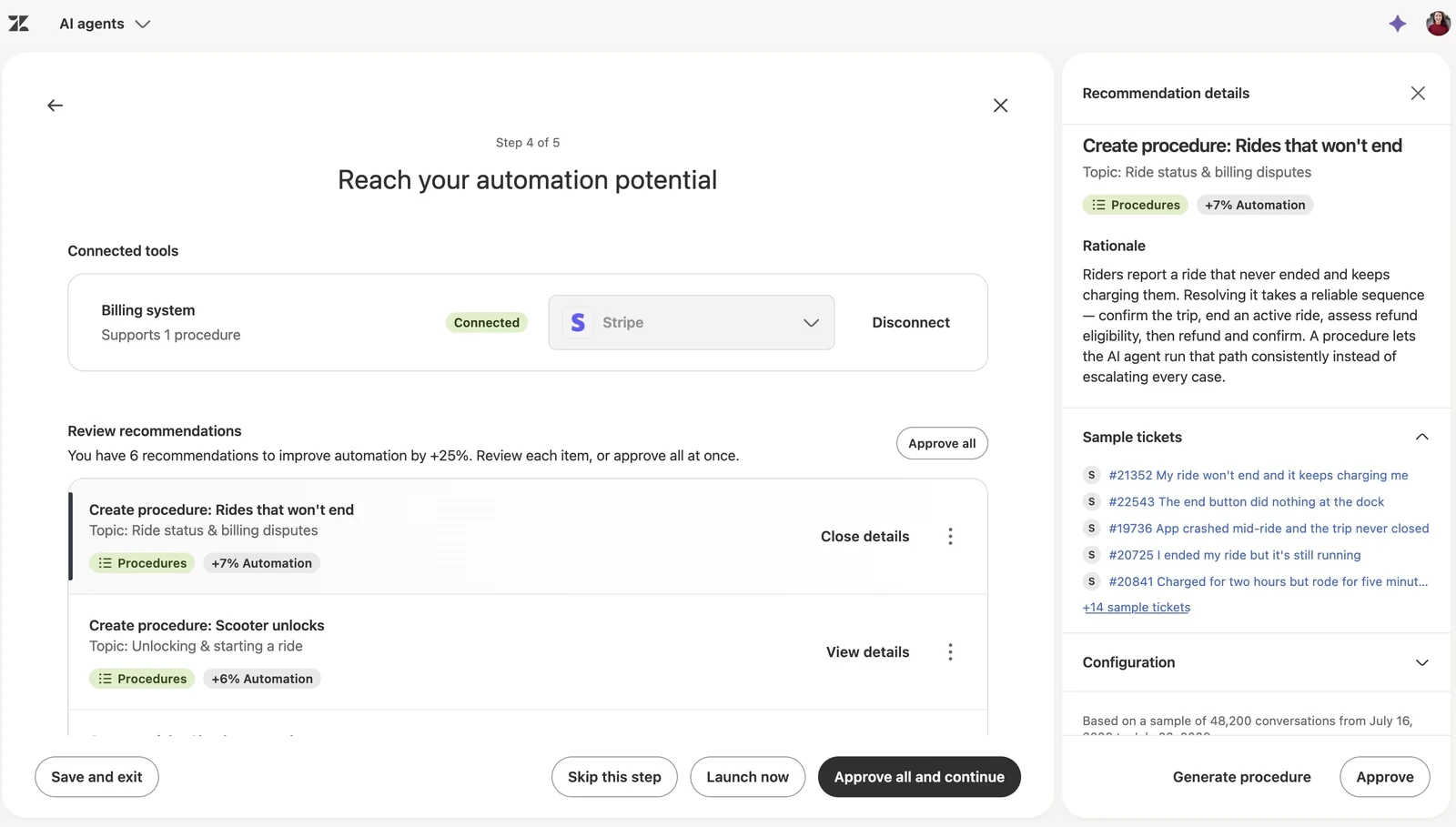
Additional tools now available to all users help teams construct and refine AI agents. AI Agent Launchpad examines historical customer interactions and identifies opportunities where automation could replace manual work. During Zendesk's demonstration with a scooter rental company, the tool proposed a complete workflow for handling rides that fail to conclude, incorporating integration with payment systems such as Stripe.
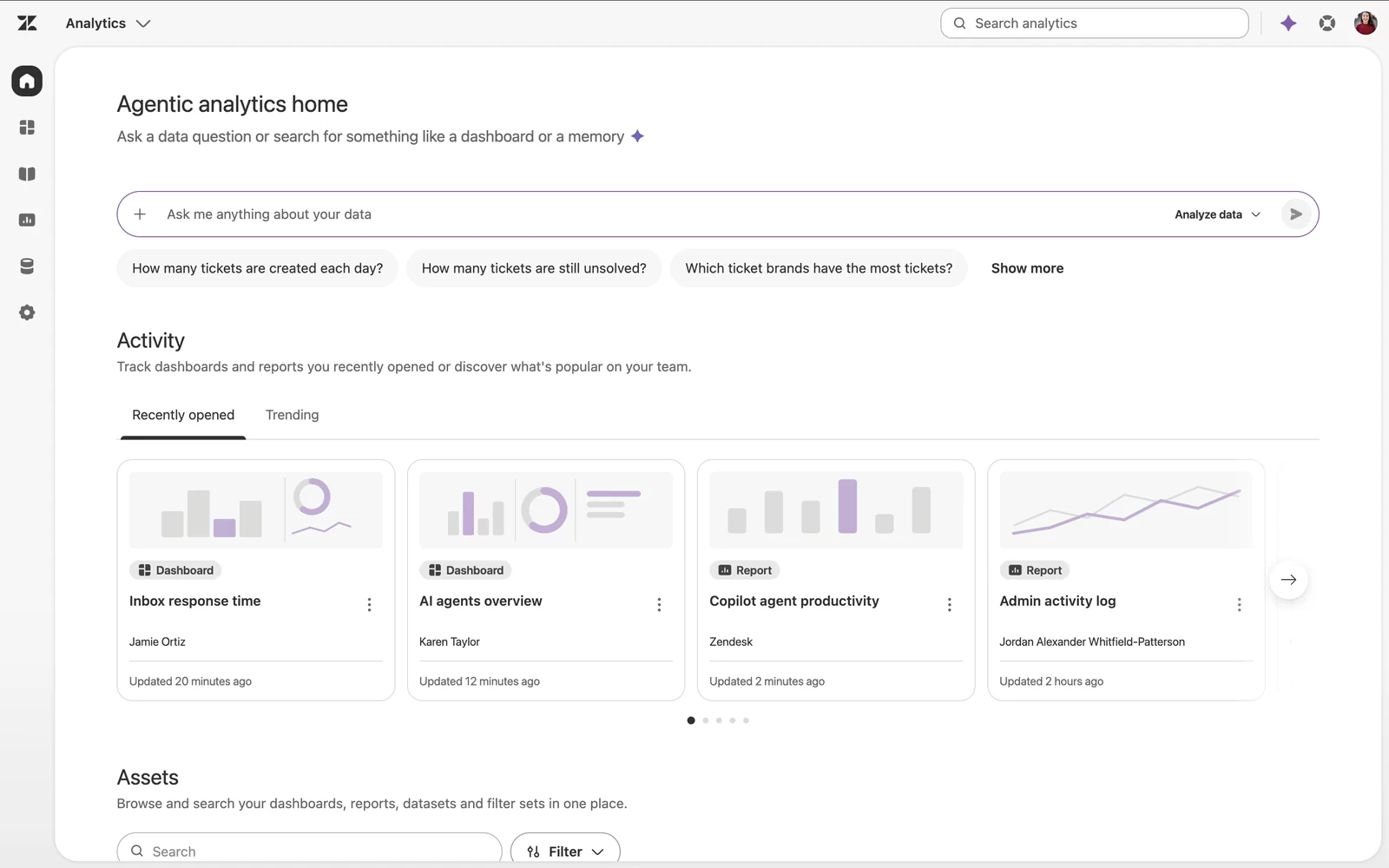
Agentic Analytics provides managers with the ability to query their data using everyday language—for instance, asking how many unresolved tickets remain open. This capability allows teams to measure whether operational changes are reducing recurring issues.
Consumer Attitudes Toward AI Support
Zendesk's latest survey reveals shifting consumer expectations around AI-assisted service. The research found that 52% of consumers feel at ease delegating routine tasks to personal AI assistants. However, 84% of respondents insisted that human support options must remain continuously available.
This announcement arrives following Zendesk's acquisition of Forethought, representing the company's most significant transaction in two decades as it strengthens its AI agent capabilities.
Source: The Next Web