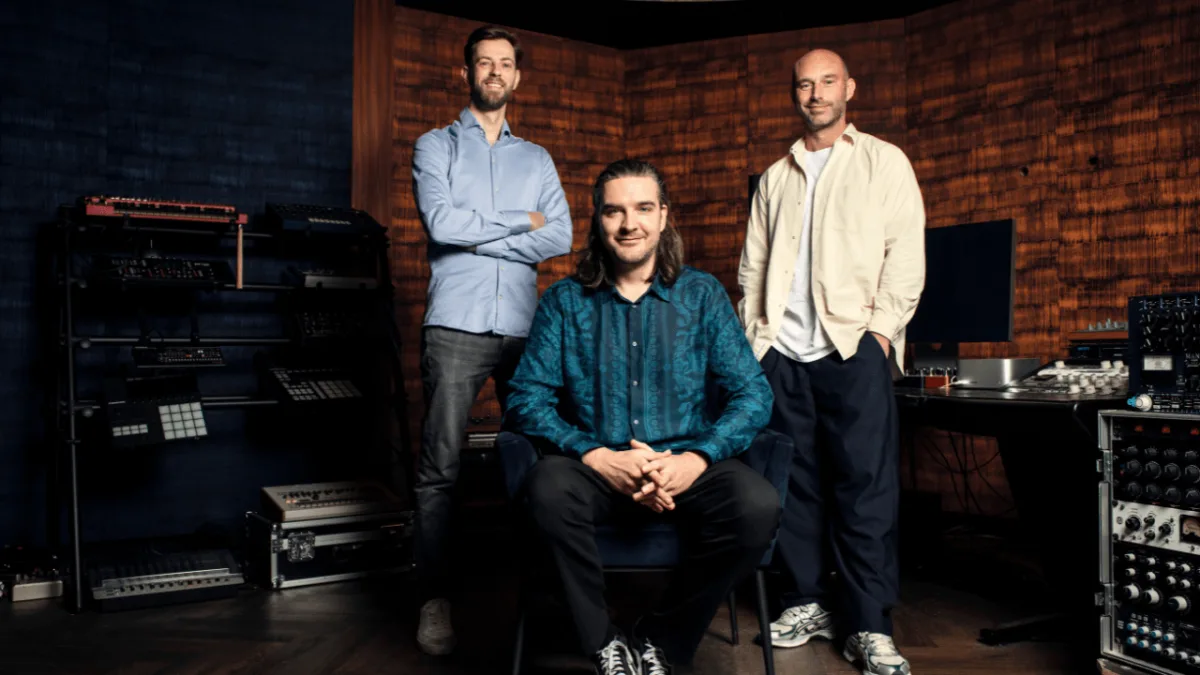
This week marks the debut of GasLab (Generative AI Solutions Lab), a generative AI music platform created by electronic music producer and DJ Reinier Zonneveld. The venture has secured $1 million in pre-seed funding from a group of European investors that includes Eric Demuth, co-founder and executive Chairman of Bitpanda, and Bas Beerens, founder of WeTransfer and serial entrepreneur.
The startup's central mission revolves around a critical gap in the music industry: ensuring that artists whose work trains AI models receive both recognition and financial reward when their contributions shape generated tracks. GasLab addresses what has become one of the defining tensions between the music industry and generative AI—the ability to produce finished music in seconds without revealing which existing tracks influenced the output or compensating the original creators.
The platform operates through a proprietary attribution system called the Digital Notary. When musicians and labels opt into GasLab's network, their catalogues become available for training the AI model. Each time the system generates a new track, the Digital Notary compares the output against participating music and creates a permanent attribution record that identifies which artists and rights holders contributed to the result, tracking both master and publishing rights.
Every generated track receives its own permanent ID and watermark tied to this attribution record. GasLab then assigns economic rights to each credited artist, meaning that if an AI-generated track gains commercial success, the original contributors share in that value through the platform's revenue-sharing model. When GasLab earns money from subscriptions or track releases, the attribution record determines how that revenue flows back to contributing artists and rights holders.
Zonneveld brings substantial credentials to the venture. A classically trained pianist from age three who later taught himself electronic production, he established the Filth on Acid label in 2017 and holds the world record for the longest electronic music live set. He has consistently ranked among the world's top 30 DJs over the past five years.
His journey into AI music began eight years ago when he and long-term collaborator Cas Luuring started exploring machine learning. This work led to the development of R2, Zonneveld's own AI model trained on his personal catalogue, which he now performs against back-to-back at festivals. The core team also includes Thijs Emondts, a former VC partner and Uber general manager.
My academic background in economics and mathematics fuelled a curiosity for what algorithms could bring to music. But first and foremost I am a musician and I believe it must always pay to be an artist. The current state of generative AI has a major flaw: It takes from artists but gives nothing back. This is a problem that has to be solved if we want there to be any semblance of a creative industry in the future. So, I set out to solve it. And that's how we came up with GasLab.
Reinier Zonneveld, Co-founder
The funding will propel GasLab toward its next phase as it works to establish itself as a leading global platform for transparent and fairly attributed generative AI music. The company's attribution engine may also eventually serve other generative AI platforms beyond music.
Zonneveld is currently inviting interested musicians to join a guest list for private testing access ahead of a broader public launch. Music creators, labels and other rights holders can contact the team to learn more about participating in the platform.
Source: Tech.eu