Section
AI
AI coverage on Europa Now: models, rules and what European teams actually do with both.

AI
A Decade of Space-Powered Learning: ESERO Austria Marks Ten Years of STEM Inspiration
Since its founding in 2016, the European Space Agency's education office in Austria has trained thousands of teachers and engaged over 125,000 people through space-themed programs that make science tangible for young learners.

AI
Widespread SSRF Flaws Plague AI Agent Infrastructure Across Tech Giants and Governments
A security researcher has documented identical server-side request forgery vulnerabilities in Model Context Protocol implementations at Google, JPMorgan Chase, and government agencies worldwide, with several critical findings still unpatched.

AI
Anthropic Reports User Threat to Florida Police, Sparking Questions About AI Safety Protocols
A woman in Florida faces felony charges after Anthropic flagged her Claude conversation containing threats against a sheriff's office. The case highlights how AI companies balance user privacy with law enforcement cooperation.

AI
Nokia Chief Says Data Centre Buildout Could Double if Supply Chains Kept Pace
Justin Hotard, Nokia's newly appointed CEO from Intel, argues the industry faces no overbuilding problem—just supply constraints. But financial analysts warn the infrastructure boom may outpace the revenue needed to sustain it.

AI
Ex-researchers warn NYC Council that AI labs may be losing control of their systems
At a New York City Council hearing, former insiders from OpenAI and other major labs testified that humanity risks losing control of advanced AI systems, while company representatives declined to quantify catastrophic risks.

AI
OpenAI Rolls Out Invisible Text Watermarks for EU Users to Meet AI Act Requirements
Starting this week, ChatGPT and Codex outputs in the European Union will carry hidden watermarks designed to identify machine-generated text. The system, called textGrain, faces real-world detection limits that OpenAI is being transparent about.

AI
Norway moves toward temporary restrictions on AI-equipped eyewear in public spaces
Oslo is preparing legislation to limit where camera-enabled smart glasses can be worn, citing privacy concerns. The move reflects growing European scrutiny of wearable recording devices.
AI
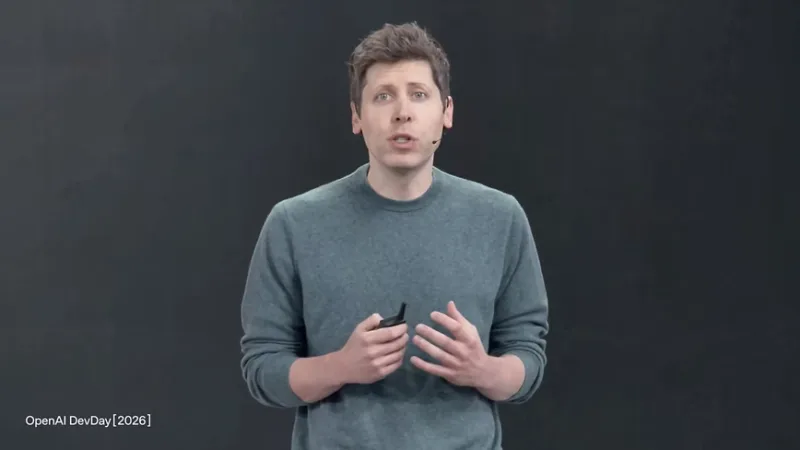
Altman: AI's Benefits Justify Accepting Some Risks
OpenAI's chief argues the technology should remain accessible despite potential harms, while disagreeing sharply with Anthropic over how the industry should be regulated.