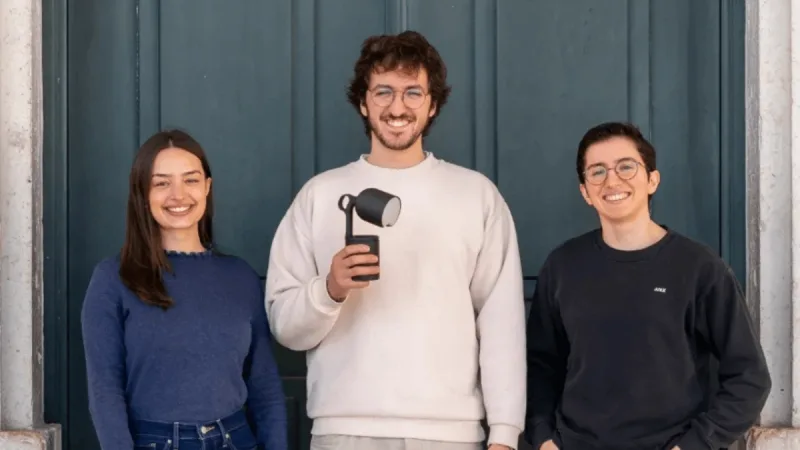
The trio of former xAI co-founders unveiled their new venture on Tuesday, introducing Time Portal, a product that grants AI agents access to an archive spanning over a trillion web pages frozen at specific moments throughout the past three decades.
Zhang has committed $100M in personal capital to the effort, according to Bloomberg. The company has not disclosed participation from other backers at this stage.
The departure marks another chapter in the reshuffling of xAI's leadership. Following the company's integration with SpaceX and Elon Musk's restructuring efforts, all of xAI's co-founders have now exited. Igor Babuschkin, another co-founder, secured $1.1bn in funding for River AI during August.
Training AI Without Future Knowledge
Epochal's core premise challenges how contemporary AI systems develop. Most large language models train on internet data where outcomes are already determined and visible. Humans, conversely, must act and decide without knowing what will happen next. Time Portal replicates this human condition for artificial intelligence.
The platform enables agents to examine web content as it appeared at any point over the last three decades, with precision down to the minute for high-traffic sites. A paired Linux sandbox synchronizes the system clock, software configuration and downloaded materials to match the historical date, preventing agents from detecting the simulation.
Validation Through Prediction Markets
To validate the approach, Epochal conducted testing using 347 active questions sourced from prediction platforms Kalshi and Polymarket. The team ran forecasting agents against these questions in real time, then replayed the identical questions through Time Portal at a later date. The results demonstrated strong alignment between the live forecasts and the historical replays, achieving a correlation coefficient of 0.98.
Availability and Open Questions
A restricted free tier is available for developers interested in experimenting with the platform. Epochal has remained silent on the specifics of how the archive was assembled and whether licensing agreements govern the included pages.
Source: The Next Web